This is a letter from Arthur Joseph Rousseau (1912-1998), one of my great-great uncles, who was in Normandy, France in 1944. It’s about his travels and experiences during World War II.
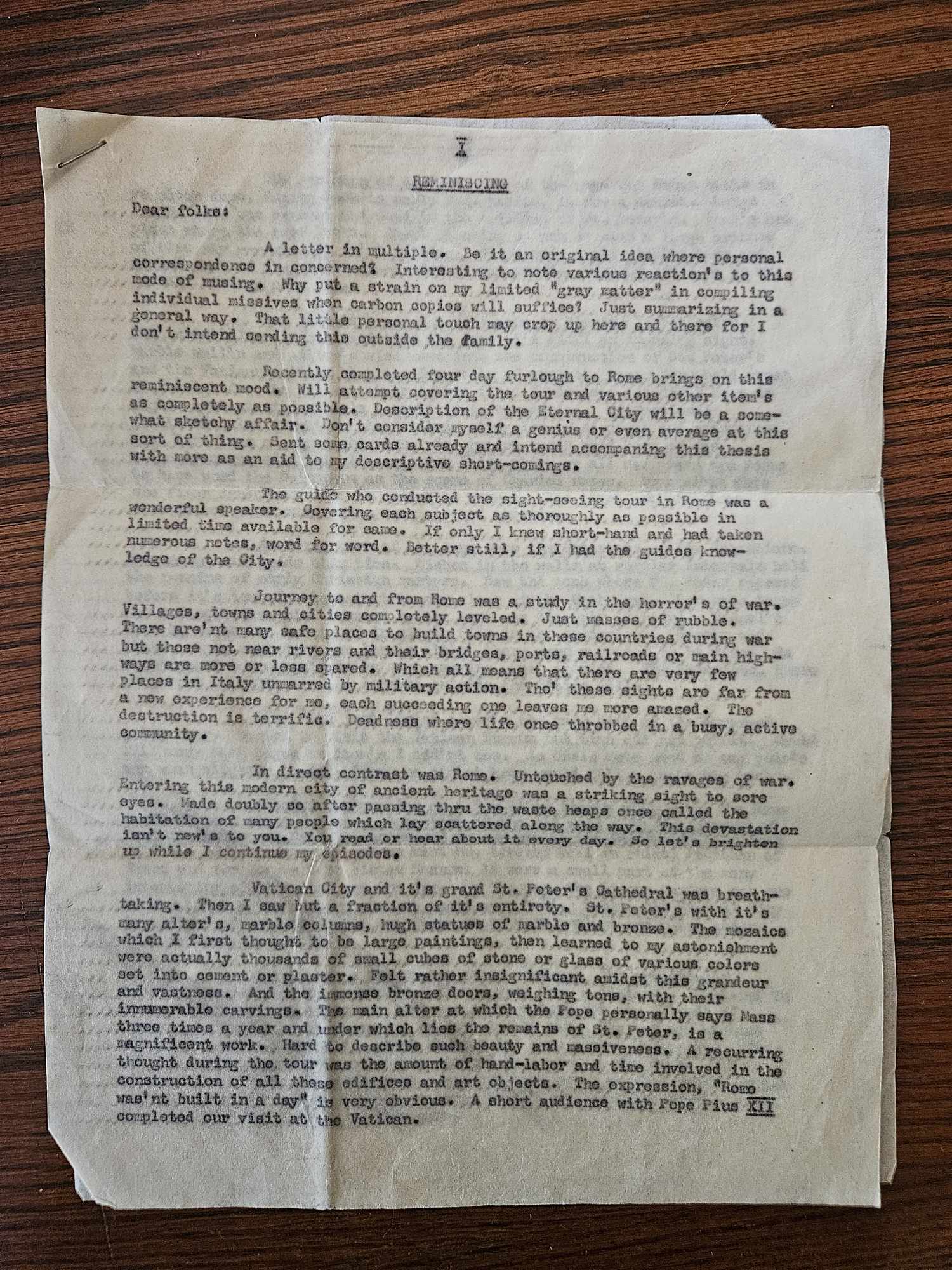
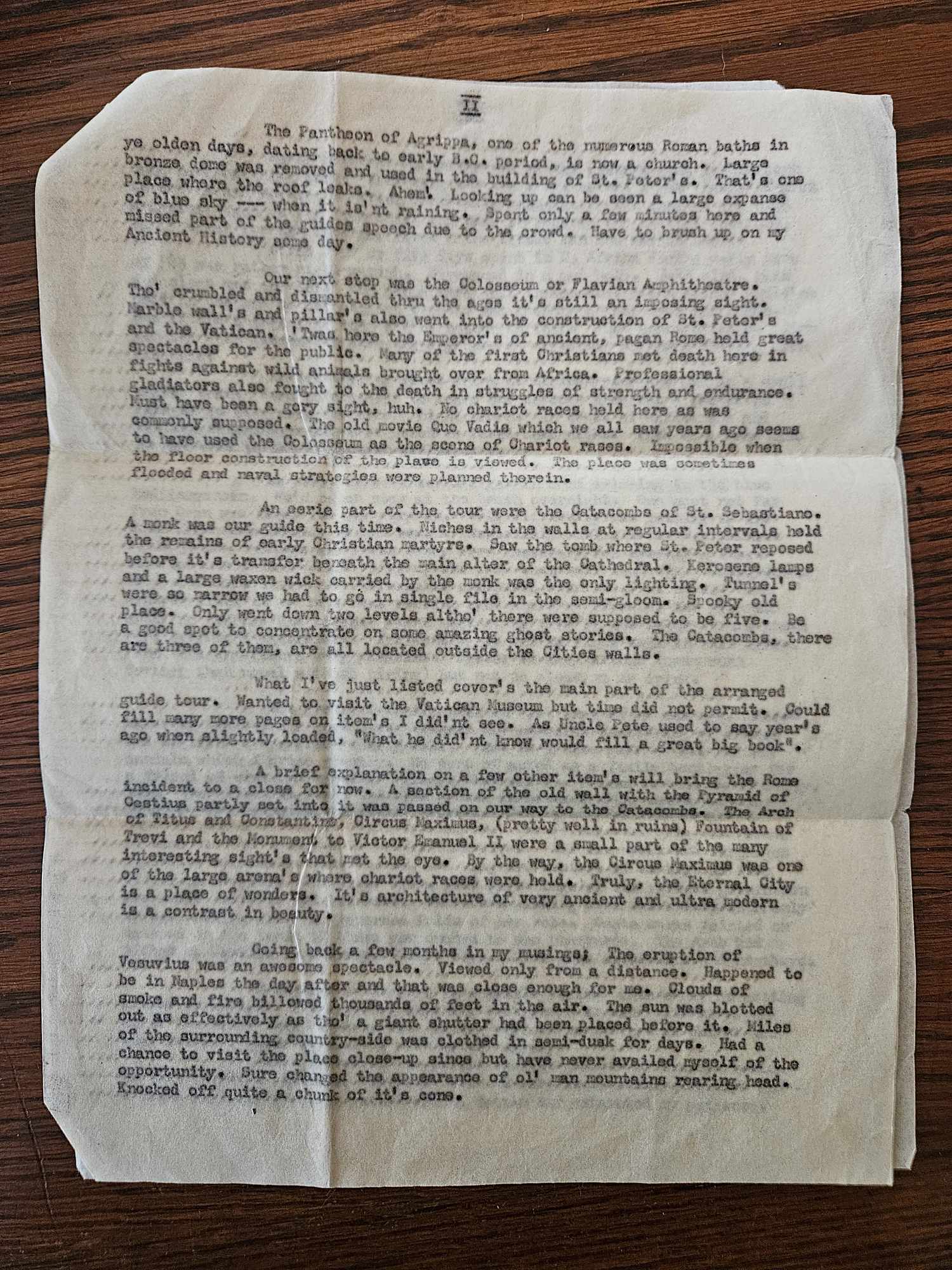
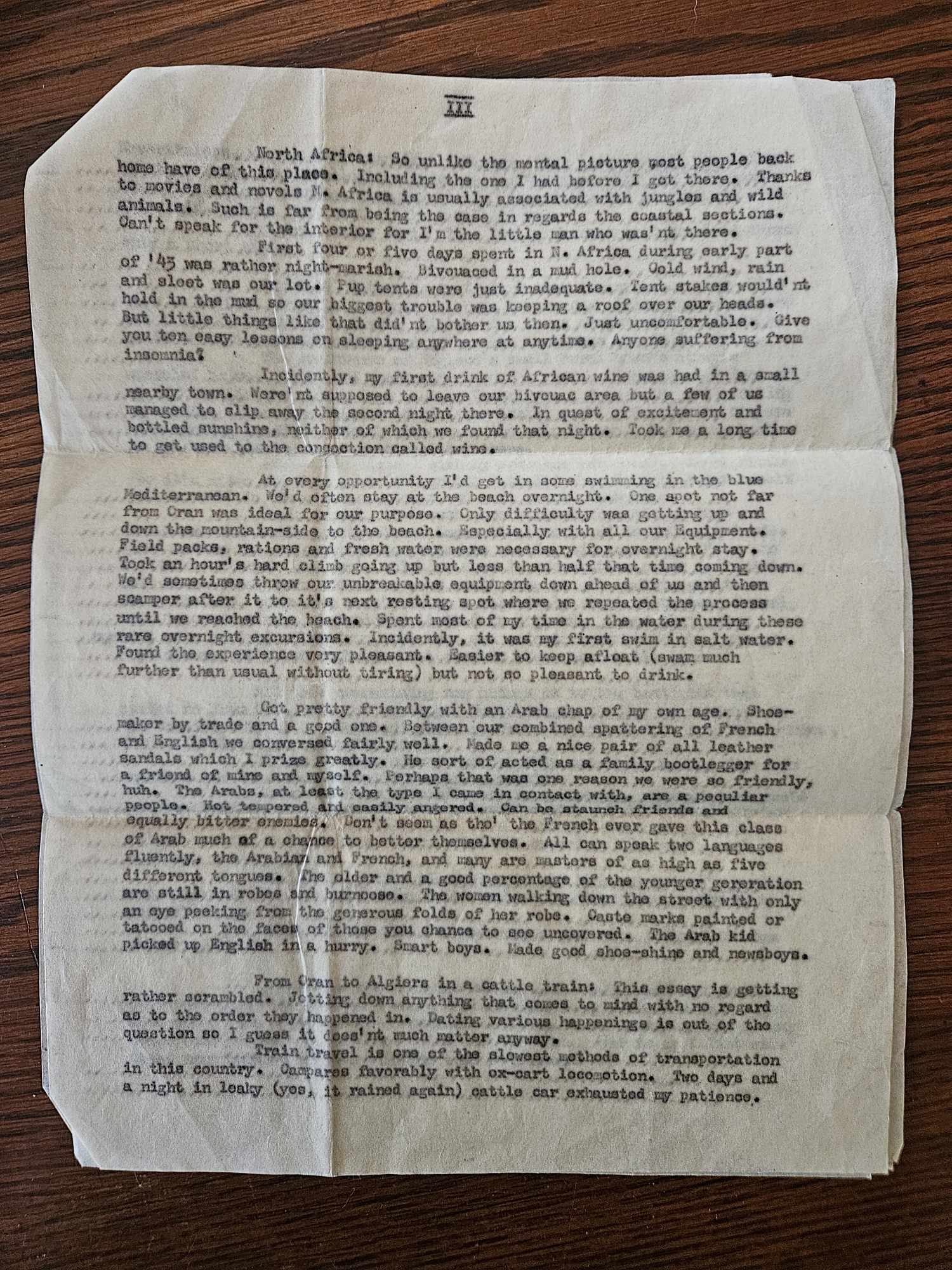
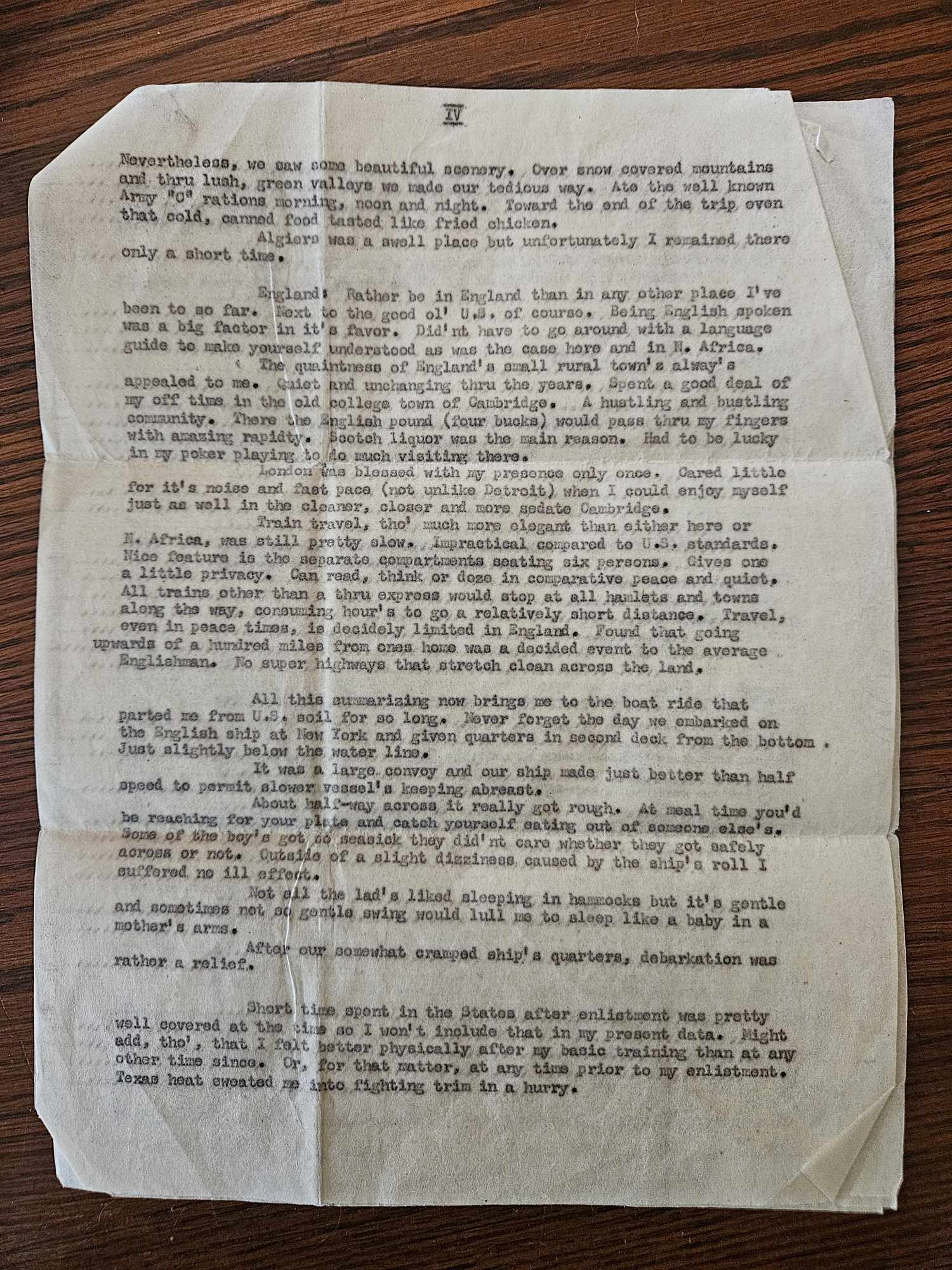
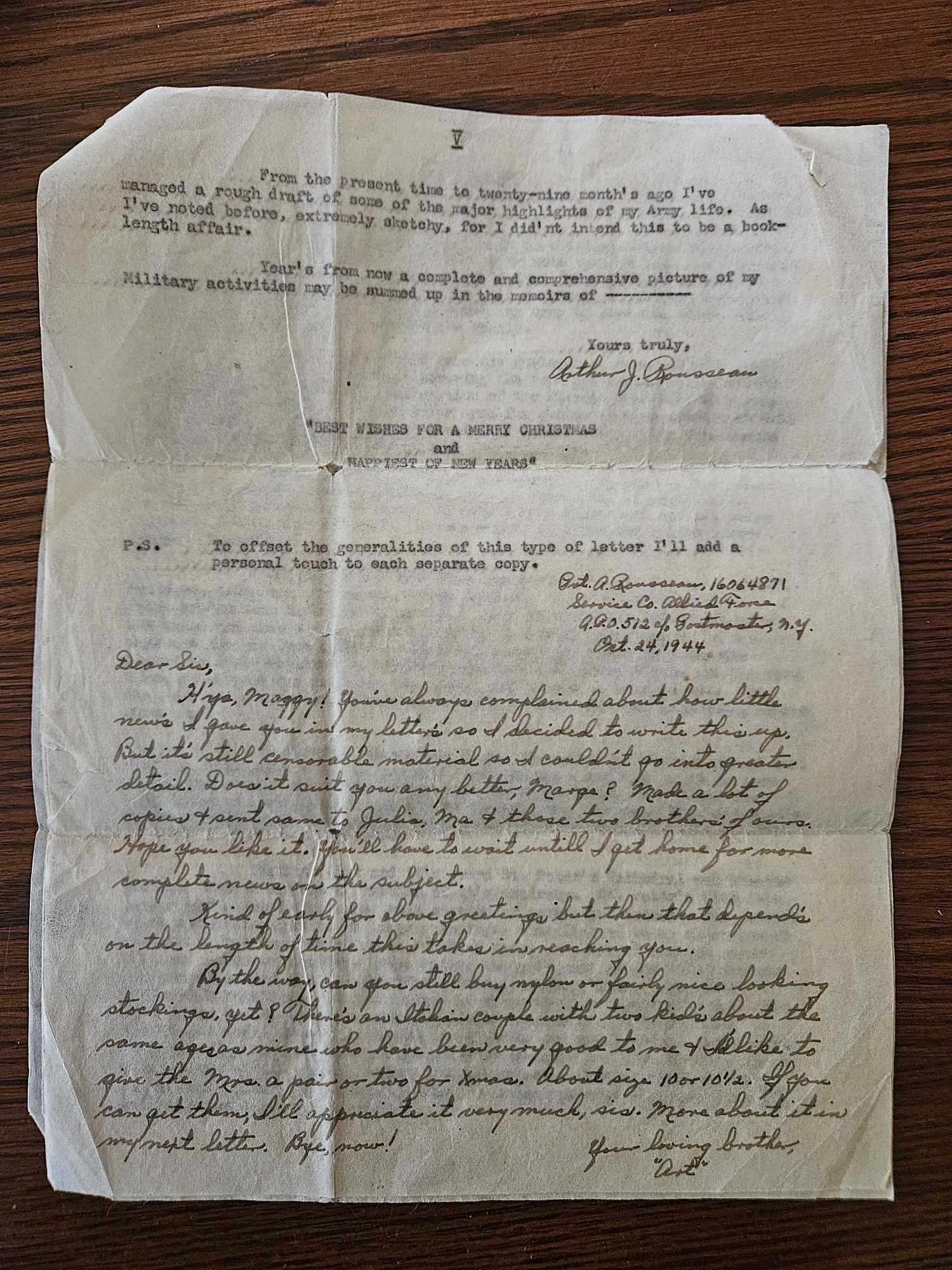
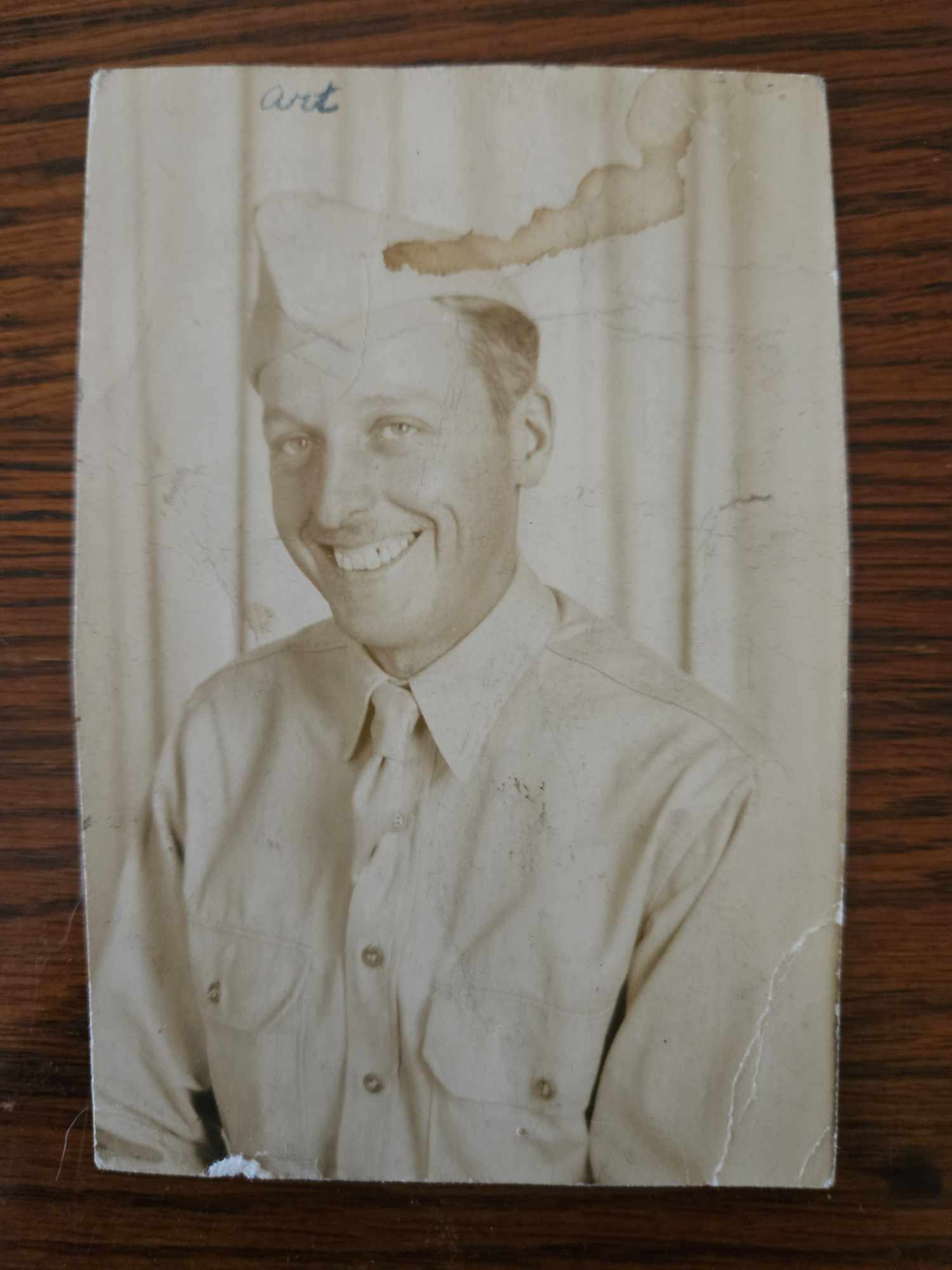
This is a letter from Arthur Joseph Rousseau (1912-1998), one of my great-great uncles, who was in Normandy, France in 1944. It’s about his travels and experiences during World War II.
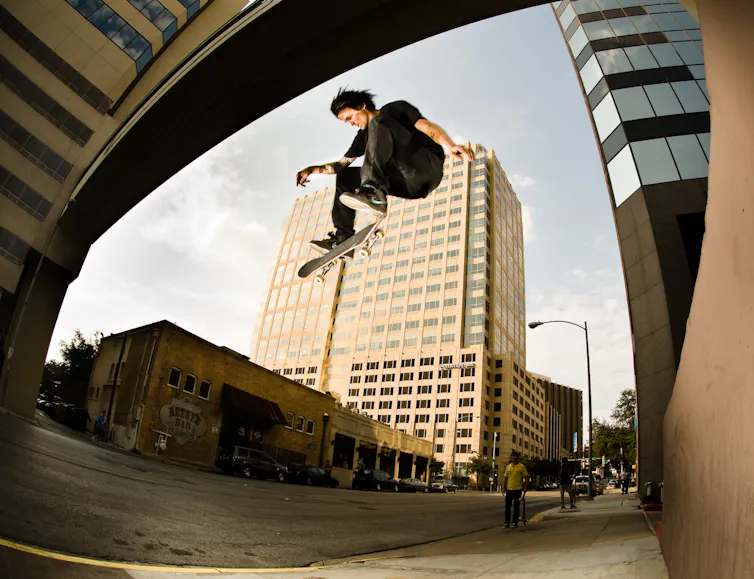
Flying free.
Perry Hall/Flickr., CC BY
Skateboarding today is a global phenomenon, with around 50m riders and thousands of skate parks worldwide – it will even feature as a sport in the 2020 Olympic Games. From the full on testosterone of Thrasher skateboard magazine to the fashionable styling of Vogue, the skater girls and boys of Kabul to the Native American reservations of South Dakota, the skate parks of Brazil to the streets of Shenzhen, skateboarding is no longer just for punkish, subcultural rebels – it’s everywhere, for everyone.
Along the way, skateboarders have achieved great things in art, film, photography and DIY skate park construction, and have engaged with important matters of gender, community and professionalism, plus commerce, heritage and social enterprise.
This may come as something of a surprise to those who are mainly familiar with the stereotype of skateboarders as white teenage boys. In fact, a skater today might well be Asian and hipster cool, black and entrepreneurial, female and physically challenged, older and gay – or any other variation imaginable.
Alongside gritty urban streets, new skate terrains have emerged, from DIY constructions, flow bowls and street plazas to longboard parks, multistory wonderlands and hybrid public spaces. Skateboarding’s influence even extends to preservation, heritage, planning and urban politics.
Entering a skate shop, you are as likely to see branded shoes and t-shirts as actual skateboards. Inevitably, big companies are also involved, including the likes of Adidas, Levi’s, New Balance, Nike and Vans.
Many university academics are even now researching skateboarding, from the perspectives of sociology, gender, sexuality, sports professionalism, graphic design, architecture, politics and urbanism. Personally, I’ve been actively researching skateboarding since 1988, culminating in my new book Skateboarding and the City: a Complete History, as well as being an active skateboarder since 1977.
Most profound of all is skateboarding’s contribution to city streets and public spaces, for it remains, at heart, an urban activity. While cities are made up of housing, offices, banks, transport, universities and so forth, skateboarding makes use of these buildings without engaging with their productive activities. Freed from the strictures of regimented skate parks and the demands of organised sport, street skateboarders implicitly deny that cities should always be productive or useful.
The kind of skateboarding that rides up the walls of banks, slides down handrails and grinds across plaza ledges, disrupts the economic and functional logic of cities. Instead, skateboarding correlates with Pat Kane’s contention that our dominant work ethic should be accompanied by an equivalent “play ethic”, where play is not just personally pleasurable but also collaborative, creative and politicised.
Here, skateboarding suggests that our lives and cities should be full of mobility, pleasure and joy – and not just of sedentary labour and earnest endeavour. The result is, or should be, a city not of passive shopping malls but of vibrant bodily life.
This, perhaps, is the most overtly political space created by skateboarders: a pleasure ground carved out of the city, as a continuous reaffirmation of one of the central slogans of the 1968 strikes and student protests in Paris: that “sous les pavés, la plage” (beneath the pavement, lies the beach).
Today, skateboarding in public spaces is legislated against everywhere from Brisbane and Manchester to Quebec and the Bronx. This accords with a common social fear of teenagers in general, with skaters as young adults being regularly viewed as potential muggers, robbers or worse. As US president George H.W. Bush once said of skateboarders: “Just thank God they don’t have guns” (quoted in Thrasher, March 1992, p.74).
Physical barriers are also put in place to discourage skateboarding. As the homeless are routinely excluded by “defensive architecture” such as odd-shaped benches, spikes on window ledges and sprinklers above doorways, so skaters encounter rough textured surfaces, “skatestopper” blocks, chains and scatterings of gravel, deliberately intended to ruin their run.
Yet skateboarding can be an ideal training ground for entrepreneurs and other model citizens. Skateboarders are constantly learning and inventing new tricks, which demands innovation, risk taking and an ability to learn through failure. Their typical distrust of organisations, teams and routines means they are independent minded, with a sense of personal responsibility.
Skateboarding has provided an experimental space for the likes of video artist Shaun Gladwell, film maker Spike Jonze and photographer Fred Mortagne to hone their creativity (you can find more examples here).
It can also promote community values: the Pushing Boarders events (London 2018 and Malmö 2019) are exploring diversity among skateboarders. As African American skater Karl Watson put it: “The skateboarding community embraces all ways of life, whether you are black or white, old or young – it embraces all people.”
Read more:
How skateboarding flipped its white male image and welcomed the whole world
More positive attitudes towards skateboarding are beginning to emerge, as people become aware of its economic and cultural benefits, and mindful of the need to encourage healthy physical activity among city dwellers of all ages. In cities such as Malmö, London, Brisbane, Rapids City, Coventry and Hull, public recognition for skateboarders has undoubtedly increased in the form of support for skate parks, skateable public spaces, skate-focused schools and city policy.
It seems as though skateboarding is finally being seen in its true light: critical, rebellious, non-conformist – and a dynamic presence in cities around the world.
Iain Borden, Professor of Architecture and Urban Culture, UCL
This article is republished from The Conversation under a Creative Commons license. Read the original article.
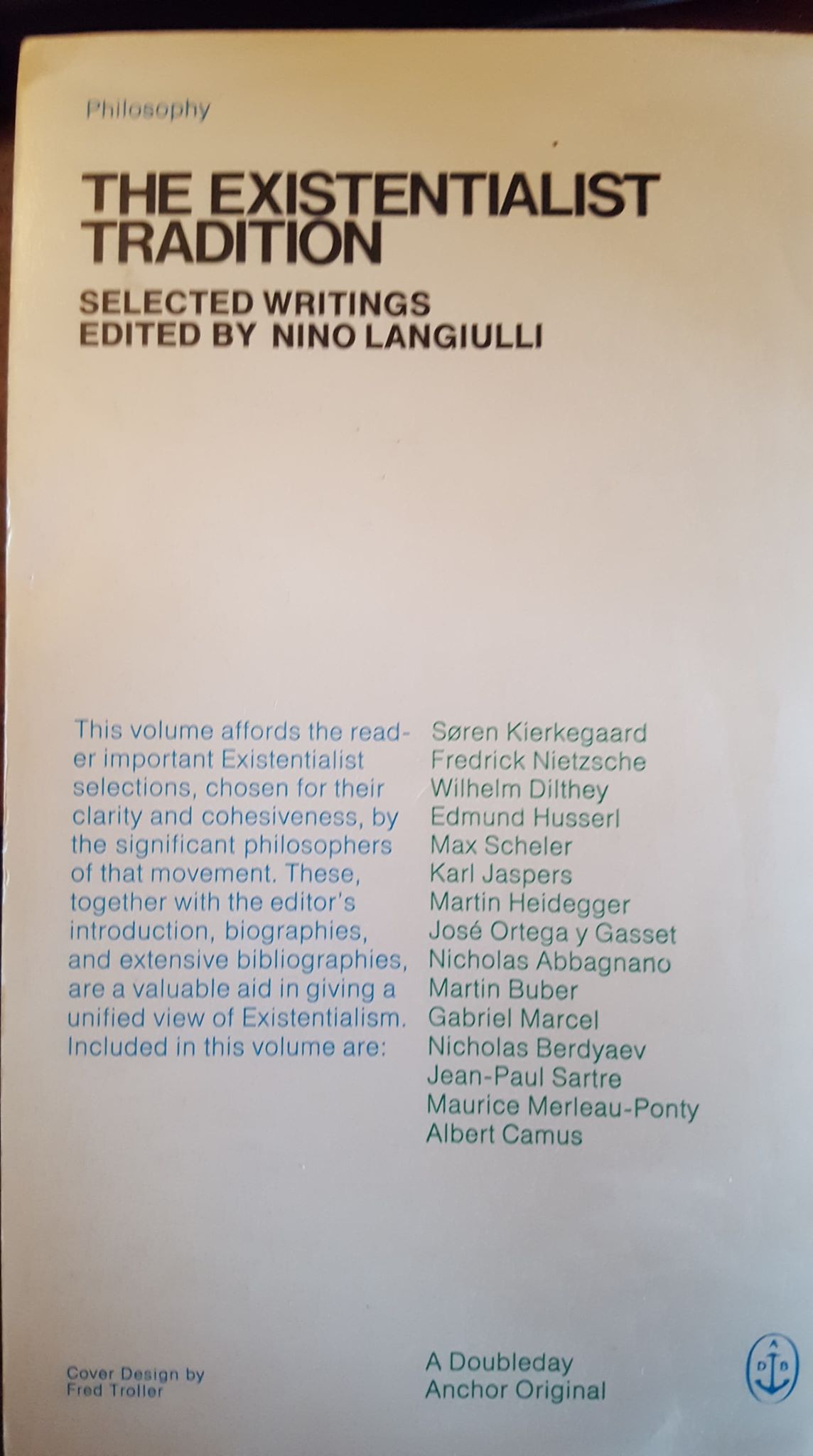
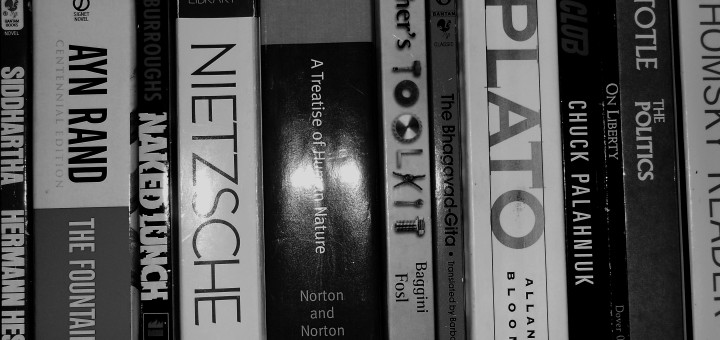
This just recently arrived in the mail: The Existentialist Tradition: Selected Writings
Wow! I logged into my old Amazon account today and checked out my order history. I actually got rid of a lot of these books a long time ago, specifically the theological ones, so I just had to catalogue it.
Andre LaMothe
Huston Smith
Bart D. Ehrman
John F., Dr Walvoord
Tim LaHaye
Winfried Corduan
Norman L. Geisler
Norman L. Geisler, Thomas Howe
Ron Brooks, et al
Gleason L. Archer
Erwin W. Lutzer
Felton Shoults
Trude Weiss-Rosmarin
Elaine Pagels
Karl Keating
David B. Currie
Norman L. Geisler, Ron Rhodes
Grant R. Jeffrey
William C. Placher
William C. Placher
Paul M. Johnson
Justo L. Gonzalez
Justo L. Gonzalez
Michael Gorman
Walter C. Kaiser, Moises Silva
David H. Stern
David H. Stern
Adele Berlin, et al
Steve Gregg
Marvin R. Wilson
Thomas C. Brisco
Ronald H. Nash
Michael L. Brown
Michael L. Brown
Michael L. Brown
Norman L. Geisler
Walter Ralston Martin, et al
Tim Callahan
Dr. Herbert Lockyer
Victoria Hoffer, et al
by
Francis Brown, et al
Roger A. Freedman, William J., III Kaufmann
R. C. Sproul (Editor), Keith Mathison (Editor)
Immanuel Kant (Author), J. M. D. Meiklejohn (Translator)
Immanuel Kant, Thomas Kingsmill Abbott (Translator)
David Hume
David Hume, Richard H. Popkin
Walter Kaufmann (Editor)
Jean-Paul Sartre, Hazel E. Barnes (Translator)
Howard V. Hong (Editor), et al
Friedrich Nietzsche, et al
Bertrand Russell
Bertrand Russell, John Perry (Introduction)
Benedictus de Spinoza, et al
Aristotle, Richard McKeon (Editor)
John Locke
Rene Descartes, Donald Cress
Plato, et al
Fyodor Dostoevsky, et al
G. W. F. Hegel, et al
Lao Tzu, D. C. Lau (Translator)
George Berkeley, Roger Woolhouse
Friedrich Nietzsche (Editor), Walter Kaufmann (Translator)
William James
Gottfried Wilhelm Freiherr von Leibniz
Ludwig Wittgenstein (Author)
Brian Azzarello (Author)
Epictetus (Author), George Long (Translator)
And that’s where the account order history ends. It’s definitely interesting to look back at what I was into over those years and how my interests developed and evolved!
Sometimes I think it is my mission to bring faith to the faithless, and doubt to the faithful.
– Paul Tillich
Just some things that have been on my mind… completely unfocused and scrambled. I could probably make a separate post for each of these thoughts, but… nah. More of a splurge to release mental energies than a proper blog post.
I think I’m a stoic at heart, but I would never preach stoicism. I also tend to shy away from trying to destroy people’s religious faith. Maybe that’s why I don’t like Richard Dawkins very much.
Something in me wants to believe in both logical psychologism and the eternal foundation of ontological truth. I must have theologians blood running through my veins.
Semiotics could be an interesting study, if only it were an interesting subject.
Do I need to review my basic assumptions and conclusions about truth on an ontological level? Did some of my old writings about God and truth go completely in the wrong direction?
I’ve got an addiction to books. I want to own every book on this list. Maybe not even read them all. Just own them.
Sometimes people think I’ve accidentally misquoted Kant in my website tagline: I’ve simply changed the word ‘law’ to the word ‘life’ to more accurately represent my view of moral evolution.
I’ve always felt like my time in this world would be cut short somehow. But then time goes by and I don’t die. Lesson?
How could the God of the philosophers become a person? That’s like asking why there is something instead of nothing.
Sitting outside, I could see the math in everything, even in the leaves of the trees blowing in the wind.
“One word, Ma’am,” he said, coming back from the fire; limping, because of the pain. “One word. All you’ve been saying is quite right, I shouldn’t wonder. I’m a chap who always liked to know the worst and then put the best face I can on it. So I won’t deny any of what you said. But there’s one more thing to be said, even so. Suppose we have only dreamed, or made up, all those things—trees and grass and sun and moon and stars and Aslan himself. Suppose we have. Then all I can say is that, in that case, the made-up things seem a good deal more important than the real ones. Suppose this black pit of a kingdom of yours is the only world. Well, it strikes me as a pretty poor one. And that’s a funny thing, when you come to think of it. We’re just babies making up a game, if you’re right. But four babies playing a game can make a play world which licks your real world hollow. That’s why I’m going to stand by the play world. I’m on Aslan’s side even if there isn’t any Aslan to lead it. I’m going to live as like a Narnian as I can even if there isn’t any Narnia. So, thanking you kindly for our supper, if these two gentlemen and the young lady are ready, we’re leaving your court at once and setting out in the dark to spend our lives looking for Overland. Not that our lives will be very long, I should think; but that’s a small loss if the world’s as dull a place as you say.”
– C.S. Lewis, The Silver Chair
This quote from Waking Life has popped into my head quite a bit recently:
I can remember thinking, “Oh, someday, like in my mid-thirties maybe, everything’s going to just somehow gel and settle, just end.” It was like there was this plateau, and it was waiting for me, and I was climbing up it, and when I got to the top, all growth and change would stop. Even exhilaration. But that hasn’t happened like that, thank goodness. I think that what we don’t take into account when we’re young is our endless curiosity. That’s what’s so great about being human.
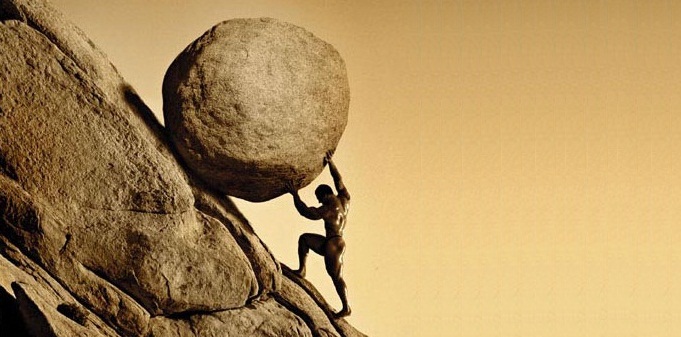
I feel like a lot of my time has been spent climbing toward some philosophical or ideological plateau – some time and place where there is no more need to philosophize, where everything has been solved for eternity. Where I’d have the answer to every metaphysical and ethical dilemma. That’s what used to intrigue me about Christianity. Things were concrete, they were set in stone for all time. There’s a certain comfort to that. But the older I get, the more I realize that everything is in a constantly changing process with everything else. I will never be finished with philosophy. I don’t think that would even be possible. The nature of this universe – of perception, of time and change – can produce infinite results. So I guess I’m not climbing toward anything really. But life’s about the journey, not the destination, right? What I do know is that I am growing and changing. To what end? God only knows.
A world constructed from the familiar is a world in which there’s nothing to learn … (since there is) invisible autopropaganda, indoctrinating us with our own ideas.
– Eli Pariser
A filter bubble is a result of a personalized search in which a website algorithm selectively guesses what information a user would like to see based on information about the user (such as location, past click behavior and search history) and, as a result, users become separated from information that disagrees with their viewpoints, effectively isolating them in their own cultural or ideological bubbles. Prime examples are Google Personalized Search results and Facebook’s personalized news stream. The term was coined by internet activist Eli Pariser in his book by the same name; according to Pariser, users get less exposure to conflicting viewpoints and are isolated intellectually in their own informational bubble. Pariser related an example in which one user searched Google for “BP” and got investment news about British Petroleum while another searcher got information about the Deepwater Horizon oil spill and that the two search results pages were “strikingly different”. The bubble effect may have negative implications for civic discourse, according to Pariser, but there are contrasting views suggesting the effect is minimal and addressable.
. . . . .
Consider trying out the DuckDuckGo search engine and the uBlock Origin browser extension.
How Web Sites Vary Prices Based on Your Information
Skateboarding used to be one of my great passions. I was never a team sport type of guy, but skating offered a form of personal development and discipline that was unique unto itself. And it was more than just a sport. It was a lifestyle and an art form. There was always a new trick to master or a new challenge to face. Everybody had their own personal style, which made it rewarding to just observe others and watch them grow alongside myself. There was a strong sense of community and comradery among us skaters. Every day I would watch this video to get myself pumped for a day full of exploring the city for new spots to hone my skills. The self-discovery and self-mastery that skateboarding offered was something that I will never forget and never regret.
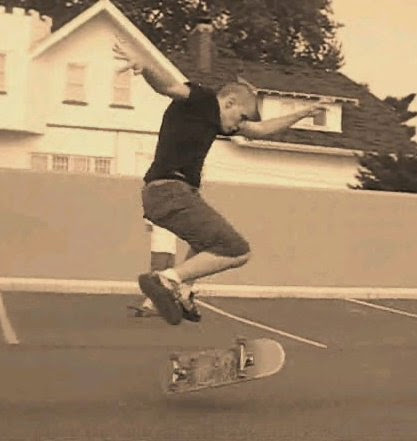
Me in the mid-2000’s
A wise man once said, “Know thy-self!” But what if one gets so caught up in trying to get to know their self that they forget to live their self?