Why Religion is not Going Away and Science will not Destroy It

church-holy-saviour-istanbul

At the Church of the Holy Saviour in Chora, Istanbul. Photo by Guillen Perez/Flickr

Peter Harrison | Aeon Ideas


In 1966, just over 50 years ago, the distinguished Canadian-born anthropologist Anthony Wallace confidently predicted the global demise of religion at the hands of an advancing science: ‘belief in supernatural powers is doomed to die out, all over the world, as a result of the increasing adequacy and diffusion of scientific knowledge’. Wallace’s vision was not exceptional. On the contrary, the modern social sciences, which took shape in 19th-century western Europe, took their own recent historical experience of secularisation as a universal model. An assumption lay at the core of the social sciences, either presuming or sometimes predicting that all cultures would eventually converge on something roughly approximating secular, Western, liberal democracy. Then something closer to the opposite happened.

Not only has secularism failed to continue its steady global march but countries as varied as Iran, India, Israel, Algeria and Turkey have either had their secular governments replaced by religious ones, or have seen the rise of influential religious nationalist movements. Secularisation, as predicted by the social sciences, has failed.

To be sure, this failure is not unqualified. Many Western countries continue to witness decline in religious belief and practice. The most recent census data released in Australia, for example, shows that 30 per cent of the population identify as having ‘no religion’, and that this percentage is increasing. International surveys confirm comparatively low levels of religious commitment in western Europe and Australasia. Even the United States, a long-time source of embarrassment for the secularisation thesis, has seen a rise in unbelief. The percentage of atheists in the US now sits at an all-time high (if ‘high’ is the right word) of around 3 per cent. Yet, for all that, globally, the total number of people who consider themselves to be religious remains high, and demographic trends suggest that the overall pattern for the immediate future will be one of religious growth. But this isn’t the only failure of the secularisation thesis.

Scientists, intellectuals and social scientists expected that the spread of modern science would drive secularisation – that science would be a secularising force. But that simply hasn’t been the case. If we look at those societies where religion remains vibrant, their key common features are less to do with science, and more to do with feelings of existential security and protection from some of the basic uncertainties of life in the form of public goods. A social safety net might be correlated with scientific advances but only loosely, and again the case of the US is instructive. The US is arguably the most scientifically and technologically advanced society in the world, and yet at the same time the most religious of Western societies. As the British sociologist David Martin concluded in The Future of Christianity (2011): ‘There is no consistent relation between the degree of scientific advance and a reduced profile of religious influence, belief and practice.’

The story of science and secularisation becomes even more intriguing when we consider those societies that have witnessed significant reactions against secularist agendas. India’s first prime minister Jawaharlal Nehru championed secular and scientific ideals, and enlisted scientific education in the project of modernisation. Nehru was confident that Hindu visions of a Vedic past and Muslim dreams of an Islamic theocracy would both succumb to the inexorable historical march of secularisation. ‘There is only one-way traffic in Time,’ he declared. But as the subsequent rise of Hindu and Islamic fundamentalism adequately attests, Nehru was wrong. Moreover, the association of science with a secularising agenda has backfired, with science becoming a collateral casualty of resistance to secularism.

Turkey provides an even more revealing case. Like most pioneering nationalists, Mustafa Kemal Atatürk, the founder of the Turkish republic, was a committed secularist. Atatürk believed that science was destined to displace religion. In order to make sure that Turkey was on the right side of history, he gave science, in particular evolutionary biology, a central place in the state education system of the fledgling Turkish republic. As a result, evolution came to be associated with Atatürk’s entire political programme, including secularism. Islamist parties in Turkey, seeking to counter the secularist ideals of the nation’s founders, have also attacked the teaching of evolution. For them, evolution is associated with secular materialism. This sentiment culminated in the decision this June to remove the teaching of evolution from the high-school classroom. Again, science has become a victim of guilt by association.

The US represents a different cultural context, where it might seem that the key issue is a conflict between literal readings of Genesis and key features of evolutionary history. But in fact, much of the creationist discourse centres on moral values. In the US case too, we see anti-evolutionism motivated at least in part by the assumption that evolutionary theory is a stalking horse for secular materialism and its attendant moral commitments. As in India and Turkey, secularism is actually hurting science.

In brief, global secularisation is not inevitable and, when it does happen, it is not caused by science. Further, when the attempt is made to use science to advance secularism, the results can damage science. The thesis that ‘science causes secularisation’ simply fails the empirical test, and enlisting science as an instrument of secularisation turns out to be poor strategy. The science and secularism pairing is so awkward that it raises the question: why did anyone think otherwise?

Historically, two related sources advanced the idea that science would displace religion. First, 19th-century progressivist conceptions of history, particularly associated with the French philosopher Auguste Comte, held to a theory of history in which societies pass through three stages – religious, metaphysical and scientific (or ‘positive’). Comte coined the term ‘sociology’ and he wanted to diminish the social influence of religion and replace it with a new science of society. Comte’s influence extended to the ‘young Turks’ and Atatürk.

The 19th century also witnessed the inception of the ‘conflict model’ of science and religion. This was the view that history can be understood in terms of a ‘conflict between two epochs in the evolution of human thought – the theological and the scientific’. This description comes from Andrew Dickson White’s influential A History of the Warfare of Science with Theology in Christendom (1896), the title of which nicely encapsulates its author’s general theory. White’s work, as well as John William Draper’s earlier History of the Conflict Between Religion and Science (1874), firmly established the conflict thesis as the default way of thinking about the historical relations between science and religion. Both works were translated into multiple languages. Draper’s History went through more than 50 printings in the US alone, was translated into 20 languages and, notably, became a bestseller in the late Ottoman empire, where it informed Atatürk’s understanding that progress meant science superseding religion.

Today, people are less confident that history moves through a series of set stages toward a single destination. Nor, despite its popular persistence, do most historians of science support the idea of an enduring conflict between science and religion. Renowned collisions, such as the Galileo affair, turned on politics and personalities, not just science and religion. Darwin had significant religious supporters and scientific detractors, as well as vice versa. Many other alleged instances of science-religion conflict have now been exposed as pure inventions. In fact, contrary to conflict, the historical norm has more often been one of mutual support between science and religion. In its formative years in the 17th century, modern science relied on religious legitimation. During the 18th and 19th centuries, natural theology helped to popularise science.

The conflict model of science and religion offered a mistaken view of the past and, when combined with expectations of secularisation, led to a flawed vision of the future. Secularisation theory failed at both description and prediction. The real question is why we continue to encounter proponents of science-religion conflict. Many are prominent scientists. It would be superfluous to rehearse Richard Dawkins’s musings on this topic, but he is by no means a solitary voice. Stephen Hawking thinks that ‘science will win because it works’; Sam Harris has declared that ‘science must destroy religion’; Stephen Weinberg thinks that science has weakened religious certitude; Colin Blakemore predicts that science will eventually make religion unnecessary. Historical evidence simply does not support such contentions. Indeed, it suggests that they are misguided.

So why do they persist? The answers are political. Leaving aside any lingering fondness for quaint 19th-century understandings of history, we must look to the fear of Islamic fundamentalism, exasperation with creationism, an aversion to alliances between the religious Right and climate-change denial, and worries about the erosion of scientific authority. While we might be sympathetic to these concerns, there is no disguising the fact that they arise out of an unhelpful intrusion of normative commitments into the discussion. Wishful thinking – hoping that science will vanquish religion – is no substitute for a sober assessment of present realities. Continuing with this advocacy is likely to have an effect opposite to that intended.

Religion is not going away any time soon, and science will not destroy it. If anything, it is science that is subject to increasing threats to its authority and social legitimacy. Given this, science needs all the friends it can get. Its advocates would be well advised to stop fabricating an enemy out of religion, or insisting that the only path to a secure future lies in a marriage of science and secularism.Aeon counter – do not remove

Peter Harrison

This article was originally published at Aeon and has been republished under Creative Commons.

I Believe Because it is Absurd

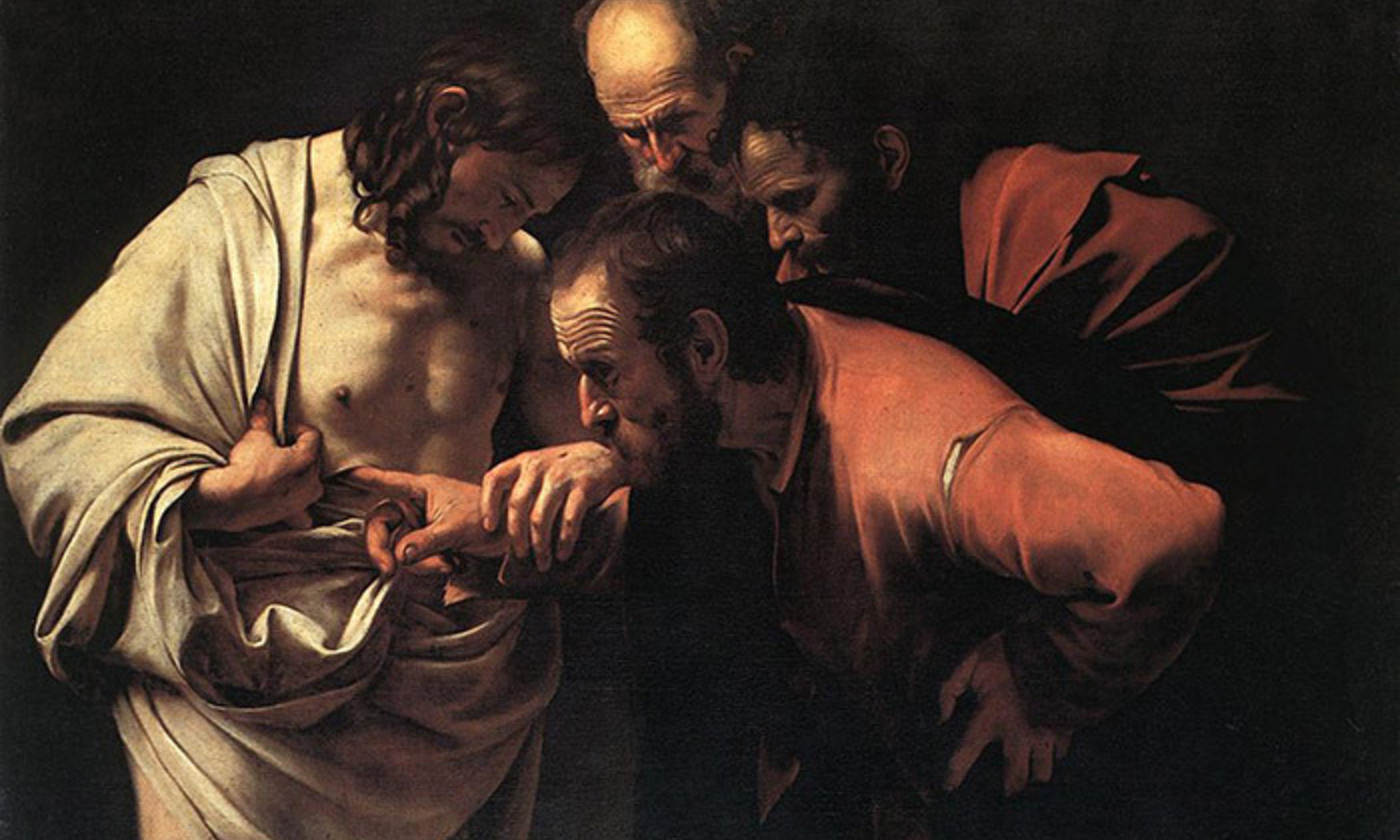
the-incredulity-of-saint-thomas

The Incredulity of Saint Thomas (1601-1602), by Caravaggio, Sanssouci Palace, Potsdam, Germany. Courtesy Wikipedia

Peter Harrison | Aeon Ideas


Religious belief is often thought to evince a precarious kind of commitment, in which the degree of conviction is inversely proportional to correspondence with the facts. Exhibit A for this common characterisation of religious belief is the maxim of the third-century Christian writer Tertullian, who is credited with the saying ‘I believe because it is absurd.’ This paradoxical expression makes a routine appearance in philosophical evaluations of the rationality of religious belief, in contemporary polemics addressed to an imagined opposition between science and religion, and in virtually every reputable dictionary of quotations.

Scholars of early Christianity have long known that Tertullian never wrote those words. What he originally said and meant poses intriguing questions, but equally interesting is the story of how the invented expression came to be attributed to him in the first place, what its invention tells us about changing conceptions of ‘faith’, and why, in spite of attempts to correct the record, it stubbornly persists as an irradicable meme about the irrationality of religious commitment.

On the face of it, being committed to something because it is absurd is an unpromising foundation for a belief system. It should not come as a complete surprise, then, that Tertullian did not advocate this principle. He did, however, make this observation, with specific reference to the death and resurrection of Christ: ‘it is entirely credible, because it is unfitting … it is certain, because it is impossible’ (For Latinists out there: prorsus credibile est, quia ineptum est … certum est, quia impossibile). This might seem to be within striking distance of the fideistic phrase commonly attributed to him. Puzzlingly, though, even this original formulation does not fit with Tertullian’s generally positive view of reason and rational justification. Elsewhere, he insists that Christians ‘should believe nothing but that nothing should be rashly believed’. For Tertullian, God is ‘author of Reason’, the natural order of the world is ‘ordained by reason’, and everything is to be ‘understood by reason’.

One likely explanation for this apparent incongruence is that, in his paradoxical juxtaposition of impossibility and certainty, Tertullian is drawing upon a principle set out in Aristotle’s Rhetoric. Addressing himself to the credibility of highly improbable events, Aristotle observes: ‘We may argue that people could not have believed them, if they had not been true or nearly true. And that they are more likely to be true because they are incredible.’ His point seems to be that the apparent incredibility of a reported claim can actually provide a reason for believing it, since a witness seeking to perpetuate a false story would most likely have come up with something that at least seemed plausible. If this connection is on the right track, Tertullian, who almost certainly knew Aristotle’s Rhetoric, is not advocating belief without justification, but suggesting that we sometimes have good reasons to believe the highly improbable.

This leaves us with the question of how Tertullian came to be attributed with authorship of the rather different expression: ‘I believe because it is absurd.’ For this, we need to look to two decisive moments in the early modern period.

In the middle of the 17th century, the physician and polymath Thomas Browne drew attention to Tertullian’s original remarks in his bestselling Religio Medici (1643), or The Religion of a Physician. Crucially, not only did Browne introduce numerous readers to this relatively unnoticed passage in Tertullian, but he lent it an entirely new interpretation, proposing as a general principle that the strength of one’s faith is inversely proportional to the probability of what is believed: ‘Methinks there be not impossibilities enough in Religion for an active faith.’ Before long, numerous sources were quoting Tertullian, albeit disapprovingly, as having said: ‘I believe, because it is impossible’. The philosopher John Locke thus makes reference to this new version of the paradox in his classic An Essay Concerning Human Understanding (1689), summing up the view of most of his contemporaries that this was a ‘very ill Rule for Men to chuse their Opinions, or Religion by’.

A key element of the background to this development was the rise of sectarian disputes in the wake of the Reformation. Protestants chastised Catholics for their overcredulous ‘implicit faith’ – the giving of assent to doctrines promulgated by the Church but without a full comprehension of what was being assented to. A prime case was the doctrine of transubstantiation – a theory, based on Aristotle’s philosophy, of how during the Mass the elements of bread and wine could become the body and blood of Christ. For many Protestants, this was an emblematic instance of believing something that was literally impossible. The maxim ‘I believe because it is impossible’ thus first gained currency because of its deployment in anti-Catholic polemic.

The second phase in the transformation of Tertullian’s original remarks came when the French philosopher Voltaire introduced the ‘absurdity’ condition. In the entry for ‘Faith’ in his Philosophical Dictionary (1764), Voltaire concludes a characteristically entertaining account of the exploits of the notoriously promiscuous Pope Alexander VI by defining faith as ‘believing things because they are impossible’. The first appearance of the phrase ‘I believe because it is absurd’ comes subsequently in one of Voltaire’s 1767 publications, in which Voltaire attributes to the church father Augustine (rather than to Tertullian), the maxim: ‘I believe because it is absurd, I believe because it is impossible.’

Thereafter, ‘I believe because it is absurd’ became the standard form of the credo, and it was increasingly applied indiscriminately to all religious belief. Lending the phrase greater authenticity was its circulation in Latin as credo quia absurdum – a reverse-engineered version of Voltaire’s je le crois parce que cela est absurd. The misattribution of the saying to Augustine serves as a helpful marker of Voltaire’s influence, and for many years Augustine was regarded as the author of the paradox. While attributions to Augustine are rare today, Voltaire’s subtle insinuation of ‘absurdity’ into the new ‘I believe’ version of the paradox has persisted.

Since Voltaire’s time, the maxim ‘I believe because it is absurd’ has continued to serve the purpose intended by its Enlightenment originator – a gesture towards the inherent irrationality of religious belief. Thus in 1928, Sigmund Freud cited the motto as evidence of the infantile nature of religion, which he characterised as always attempting to shield its beliefs from rational scrutiny. The German philosopher Ernst Cassirer similarly maintained that the maxim typified a particular religious psychology that attended both the birth of religion and its regrettable contemporary manifestations: ‘The motto “I believe because it is absurd” exhibits its old force here and everywhere,’ he complained in 1951. Reference works, though generally less partisan, often convey similar sentiments. Typical is the offering in the Oxford Dictionary of Philosophy (1996), where the entry on credo quia absurdum est reads: ‘Also known as Tertullian’s dictum or paradox. Literally (Latin), I believe because it is absurd: that is, the very impossibility of a proposition becomes (mostly in theology) a kind of motivation for belief in it.’

One of the more conspicuous sites for the contemporary deployment of the maxim has been unflattering comparisons of fanciful religious belief with the ‘facts’ of science. In his lecture ‘Science as a Vocation’ (1917), Max Weber invented for himself an even more extreme Latin variant of Tertullian’s saying (Credo non quod, sed quia absurdum est – ‘I believe nothing except that which is absurd’, which Weber attributes to Augustine) in order to illustrate what he thought was an intrinsic tension between science and religion. Contemporary science vs religion warriors such as Richard Dawkins and Jerry Coyne have predictably followed suit, pointing to Tertullian as a personification of the irrationality of religious belief.

Much could be said about the differences and similarities between religious and scientific commitment, but it is worth observing, in brief, that the contemporary sciences afford conspicuous instances of justified belief in both the impossible (quantum mechanics) and the staggeringly improbable (Big Bang cosmology). This brings us back to the original context of Tertullian’s remarks, which were not about belief motivated by the absurdity of its object, but whether is it ever warranted to believe in things we consider to be impossible or extremely improbable. Clearly, that remains a live question.Aeon counter – do not remove

Peter Harrison

This article was originally published at Aeon and has been republished under Creative Commons.


Commentary

This reminds me of Kierkegaard. I wonder why he wasn’t mentioned:

Revelation is marked by mystery, eternal happiness by suffering, the certitude of faith by uncertainty, easiness by difficulty, truth by absurdity; if this is not maintained, then the esthetic and the religious merge in common confusion. … The religious lies in the dialectic of inwardness deepening and therefore, with regard to the conception of God, this means that he himself is moved, is changed. An action in the eternal transforms the individual’s existence.


When the question about truth is asked objectively, truth is reflected upon objectively as an object to which the knower relates himself. What is reflected upon is not the relation but that what he related himself to is the truth, the true. If only that to which he relates himself is the truth, the true, then the subject is in the truth. When the question about truth is asked subjectively, the individual’s relation is reflected upon subjectively. If only the how of this relation is in truth, the individual is in truth, even if he in this way were to relate himself to untruth.


When subjectivity, inwardness, is truth, then truth, objectively defined, is a paradox; and that truth is objectively a paradox shows precisely that subjectivity is truth, since the objectivity does indeed thrust away, and the objectivity’s repulsion, or the expression for the objectivity’s repulsion, is the resilience and dynamometer of inwardness. The paradox is the objective uncertainty that is the expression for the passion of inwardness that is truth. So much for the Socratic. The eternal, essential truth, that is, the truth that is related essentially to the existing person by pertaining essentially to what it means to exist (viewed Socratically, all other knowledge is accidental, its degree and scope indifferent), is a paradox. Nevertheless the eternal, essential truth is itself not at all a paradox, but it is a paradox by being related to an existing person… The Socratic inwardness in existing is an analogue to faith, except that the inwardness of faith, corresponding not to the repulsion exerted by ignorance but to the repulsion exerted by the absurd, is infinitely deeper.

–  Søren Kierkegaard, Concluding Unscientific Postscript to Philosophical Fragments (1846)

The Structure of Scientific Revolutions

We may, to be more precise, have to relinquish the notion, explicit or implicit, that changes of paradigm carry scientists and those who learn from them closer and closer to the truth.

– Thomas Kuhn
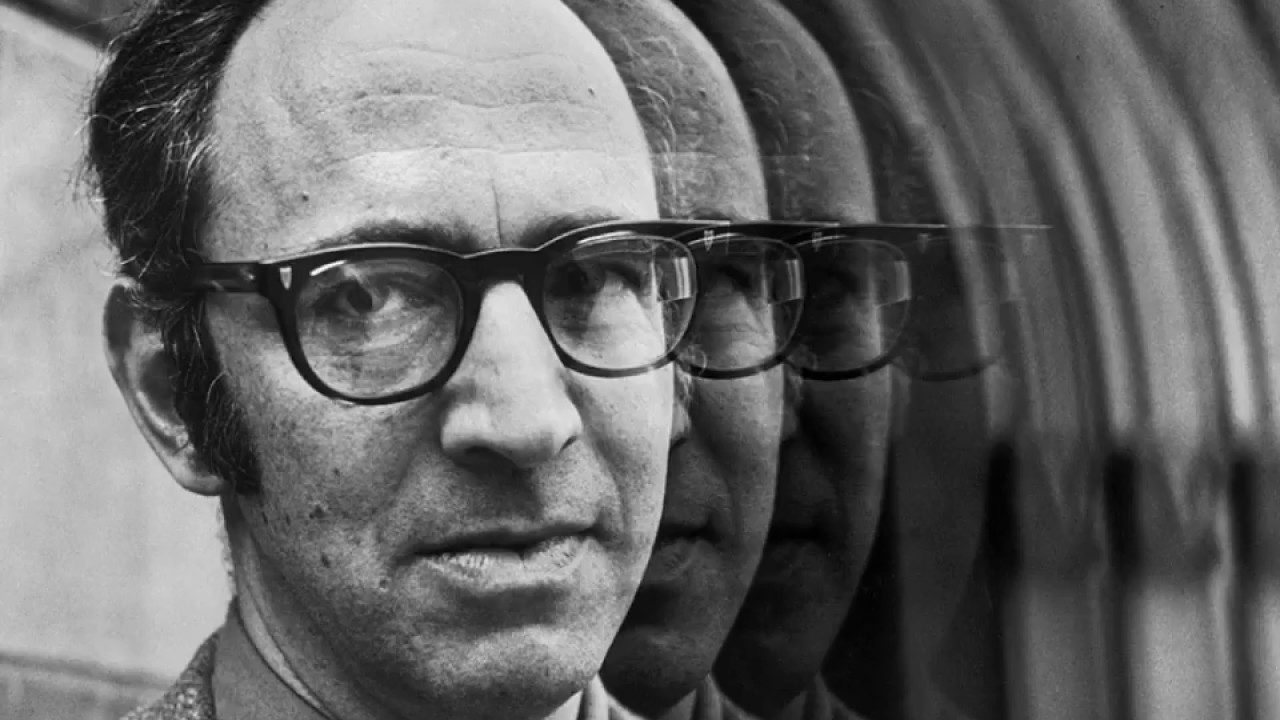
kuhn.jpg

The Structure of Scientific Revolutions (1962) is a book about the history of science by the philosopher Thomas S. Kuhn. Its publication was a landmark event in the history, philosophy, and sociology of scientific knowledge. Kuhn challenged the then prevailing view of progress in “normal science”. Normal scientific progress was viewed as “development-by-accumulation” of accepted facts and theories. Kuhn argued for an episodic model in which periods of such conceptual continuity in normal science were interrupted by periods of revolutionary science. The discovery of “anomalies” during revolutions in science leads to new paradigms. New paradigms then ask new questions of old data, move beyond the mere “puzzle-solving” of the previous paradigm, change the rules of the game and the “map” directing new research.

For example, Kuhn’s analysis of the Copernican Revolution emphasized that, in its beginning, it did not offer more accurate predictions of celestial events, such as planetary positions, than the Ptolemaic system, but instead appealed to some practitioners based on a promise of better, simpler, solutions that might be developed at some point in the future. Kuhn called the core concepts of an ascendant revolution its “paradigms” and thereby launched this word into widespread analogical use in the second half of the 20th century. Kuhn’s insistence that a paradigm shift was a mélange of sociology, enthusiasm and scientific promise, but not a logically determinate procedure, caused an uproar in reaction to his work. Kuhn addressed concerns in the 1969 postscript to the second edition. For some commentators, The Structure of Scientific Revolutions introduced a realistic humanism into the core of science, while for others the nobility of science was tarnished by Kuhn’s introduction of an irrational element into the heart of its greatest achievements.

In a sense that I am unable to explicate further, the proponents of competing paradigms practice their trades in different worlds.

History

The Structure of Scientific Revolutions was first published as a monograph in the International Encyclopedia of Unified Science, then as a book by University of Chicago Press in 1962. In 1969, Kuhn added a postscript to the book in which he replied to critical responses to the first edition. A 50th Anniversary Edition (with an introductory essay by Ian Hacking) was published by the University of Chicago Press in April 2012.

Kuhn dated the genesis of his book to 1947 when he was a graduate student at Harvard University and had been asked to teach a science class for humanities undergraduates with a focus on historical case studies. Kuhn later commented that until then, “I’d never read an old document in science.” Aristotle’s Physics was astonishingly unlike Isaac Newton’s work in its concepts of matter and motion. Kuhn wrote “… as I was reading him, Aristotle appeared not only ignorant of mechanics, but a dreadfully bad physical scientist as well. About motion, in particular, his writings seemed to me full of egregious errors, both of logic and of observation.” This was in an apparent contradiction with the fact that Aristotle was a brilliant mind. While perusing Aristotle’s Physics, Kuhn formed the view that in order to properly appreciate Aristotle’s reasoning, one must be aware of the scientific conventions of the time. Kuhn concluded that Aristotle’s concepts were not “bad Newton,” just different. This insight was the foundation of The Structure of Scientific Revolutions.

Prior to the publication of Kuhn’s book, a number of ideas regarding the process of scientific investigation and discovery had already been proposed. Ludwik Fleck developed the first system of the sociology of scientific knowledge in his book The Genesis and Development of a Scientific Fact (1935). He claimed that the exchange of ideas led to the establishment of a thought collective, which, when developed sufficiently, served to separate the field into esoteric (professional) and exoteric (laymen) circles. Kuhn wrote the foreword to the 1979 edition of Fleck’s book, noting that he read it in 1950 and was reassured that someone “saw in the history of science what I myself was finding there.”

Kuhn was not confident about how his book would be received. Harvard University had denied his tenure, a few years before. However, by the mid-1980s, his book had achieved blockbuster status.

One theory to which Kuhn replies directly is Karl Popper’s “falsificationism,” which stresses falsifiability as the most important criterion for distinguishing between that which is scientific and that which is unscientific. Kuhn also addresses verificationism, a philosophical movement that emerged in the 1920s among logical positivists. The verifiability principle claims that meaningful statements must be supported by empirical evidence or logical requirements.

Scientists work from models acquired through education and through subsequent exposure to the literature often without quite knowing or needing to know what characteristics have given these models the status of community paradigms.

Basic Approach

Kuhn’s approach to the history and philosophy of science focuses on conceptual issues like the practice of normal science, influence of historical events, emergence of scientific discoveries, nature of scientific revolutions and progress through scientific revolutions. What sorts of intellectual options and strategies were available to people during a given period? What types of lexicons and terminology were known and employed during certain epochs? Stressing the importance of not attributing traditional thought to earlier investigators, Kuhn’s book argues that the evolution of scientific theory does not emerge from the straightforward accumulation of facts, but rather from a set of changing intellectual circumstances and possibilities. Such an approach is largely commensurate with the general historical school of non-linear history.

Kuhn did not see scientific theory as proceeding linearly from an objective, unbiased accumulation of all available data, but rather as paradigm-driven. “The operations and measurements that a scientist undertakes in the laboratory are not ‘the given’ of experience but rather ‘the collected with difficulty.’ They are not what the scientist sees—at least not before his research is well advanced and his attention focused. Rather, they are concrete indices to the content of more elementary perceptions, and as such they are selected for the close scrutiny of normal research only because they promise opportunity for the fruitful elaboration of an accepted paradigm. Far more clearly than the immediate experience from which they in part derive, operations and measurements are paradigm-determined. Science does not deal in all possible laboratory manipulations. Instead, it selects those relevant to the juxtaposition of a paradigm with the immediate experience that that paradigm has partially determined. As a result, scientists with different paradigms engage in different concrete laboratory manipulations.”

History, if viewed as a repository for more than anecdote or chronology, could produce a decisive transformation in the image of science by which we are now possessed.

Historical Examples of Chemistry

Kuhn explains his ideas using examples taken from the history of science. For instance, eighteenth century scientists believed that homogenous solutions were chemical compounds. Therefore, a combination of water and alcohol was generally classified as a compound. Nowadays it is considered to be a solution, but there was no reason then to suspect that it was not a compound. Water and alcohol would not separate spontaneously, nor will they separate completely upon distillation (they form an azeotrope). Water and alcohol can be combined in any proportion.

Under this paradigm, scientists believed that chemical reactions (such as the combination of water and alcohol) did not necessarily occur in fixed proportion. This belief was ultimately overturned by Dalton’s atomic theory, which asserted that atoms can only combine in simple, whole-number ratios. Under this new paradigm, any reaction which did not occur in fixed proportion could not be a chemical process. This type world-view transition among the scientific community exemplifies Kuhn’s paradigm shift.

To my complete surprise, that exposure to out-of-date scientific theory and practice radically undermined some of my basic conceptions about the nature of science and the reasons for its special success.

Copernican Revolution

A famous example of a revolution in scientific thought is the Copernican Revolution. In Ptolemy’s school of thought, cycles and epicycles (with some additional concepts) were used for modeling the movements of the planets in a cosmos that had a stationary Earth at its center. As accuracy of celestial observations increased, complexity of the Ptolemaic cyclical and epicyclical mechanisms had to increase to maintain the calculated planetary positions close to the observed positions. Copernicus proposed a cosmology in which the Sun was at the center and the Earth was one of the planets revolving around it. For modeling the planetary motions, Copernicus used the tools he was familiar with, namely the cycles and epicycles of the Ptolemaic toolbox. Yet Copernicus’ model needed more cycles and epicycles than existed in the then-current Ptolemaic model, and due to a lack of accuracy in calculations, his model did not appear to provide more accurate predictions than the Ptolemy model. Copernicus’ contemporaries rejected his cosmology, and Kuhn asserts that they were quite right to do so: Copernicus’ cosmology lacked credibility.

Kuhn illustrates how a paradigm shift later became possible when Galileo Galilei introduced his new ideas concerning motion. Intuitively, when an object is set in motion, it soon comes to a halt. A well-made cart may travel a long distance before it stops, but unless something keeps pushing it, it will eventually stop moving. Aristotle had argued that this was presumably a fundamental property of nature: for the motion of an object to be sustained, it must continue to be pushed. Given the knowledge available at the time, this represented sensible, reasonable thinking.

Galileo put forward a bold alternative conjecture: suppose, he said, that we always observe objects coming to a halt simply because some friction is always occurring. Galileo had no equipment with which to objectively confirm his conjecture, but he suggested that without any friction to slow down an object in motion, its inherent tendency is to maintain its speed without the application of any additional force.

The Ptolemaic approach of using cycles and epicycles was becoming strained: there seemed to be no end to the mushrooming growth in complexity required to account for the observable phenomena. Johannes Kepler was the first person to abandon the tools of the Ptolemaic paradigm. He started to explore the possibility that the planet Mars might have an elliptical orbit rather than a circular one. Clearly, the angular velocity could not be constant, but it proved very difficult to find the formula describing the rate of change of the planet’s angular velocity. After many years of calculations, Kepler arrived at what we now know as the law of equal areas.

Galileo’s conjecture was merely that — a conjecture. So was Kepler’s cosmology. But each conjecture increased the credibility of the other, and together, they changed the prevailing perceptions of the scientific community. Later, Newton showed that Kepler’s three laws could all be derived from a single theory of motion and planetary motion. Newton solidified and unified the paradigm shift that Galileo and Kepler had initiated.

Only when they must choose between competing theories do scientists behave like philosophers.

Coherence

One of the aims of science is to find models that will account for as many observations as possible within a coherent framework. Together, Galileo’s rethinking of the nature of motion and Keplerian cosmology represented a coherent framework that was capable of rivaling the Aristotelian/Ptolemaic framework.

Once a paradigm shift has taken place, the textbooks are rewritten. Often the history of science too is rewritten, being presented as an inevitable process leading up to the current, established framework of thought. There is a prevalent belief that all hitherto-unexplained phenomena will in due course be accounted for in terms of this established framework. Kuhn states that scientists spend most (if not all) of their careers in a process of puzzle-solving. Their puzzle-solving is pursued with great tenacity, because the previous successes of the established paradigm tend to generate great confidence that the approach being taken guarantees that a solution to the puzzle exists, even though it may be very hard to find. Kuhn calls this process normal science.

As a paradigm is stretched to its limits, anomalies — failures of the current paradigm to take into account observed phenomena — accumulate. Their significance is judged by the practitioners of the discipline. Some anomalies may be dismissed as errors in observation, others as merely requiring small adjustments to the current paradigm that will be clarified in due course. Some anomalies resolve themselves spontaneously, having increased the available depth of insight along the way. But no matter how great or numerous the anomalies that persist, Kuhn observes, the practicing scientists will not lose faith in the established paradigm until a credible alternative is available; to lose faith in the solvability of the problems would in effect mean ceasing to be a scientist.

In any community of scientists, Kuhn states, there are some individuals who are bolder than most. These scientists, judging that a crisis exists, embark on what Kuhn calls revolutionary science, exploring alternatives to long-held, obvious-seeming assumptions. Occasionally this generates a rival to the established framework of thought. The new candidate paradigm will appear to be accompanied by numerous anomalies, partly because it is still so new and incomplete. The majority of the scientific community will oppose any conceptual change, and, Kuhn emphasizes, so they should. To fulfill its potential, a scientific community needs to contain both individuals who are bold and individuals who are conservative. There are many examples in the history of science in which confidence in the established frame of thought was eventually vindicated. It is almost impossible to predict whether the anomalies in a candidate for a new paradigm will eventually be resolved. Those scientists who possess an exceptional ability to recognize a theory’s potential will be the first whose preference is likely to shift in favor of the challenging paradigm. There typically follows a period in which there are adherents of both paradigms. In time, if the challenging paradigm is solidified and unified, it will replace the old paradigm, and a paradigm shift will have occurred.

Suddenly the fragments in my head sorted themselves out in a new way, and fell into place together. My jaw dropped, for all at once Aristotle seemed a very good physicist indeed, but of a sort I’d never dreamed possible. Now I could understand why he had said what he’d said, and what his authority had been.

Phases

Kuhn explains the process of scientific change as the result of various phases of paradigm change.

Phase 1 – It exists only once and is the pre-paradigm phase, in which there is no consensus on any particular theory. This phase is characterized by several incompatible and incomplete theories. Consequently, most scientific inquiry takes the form of lengthy books, as there is no common body of facts that may be taken for granted. If the actors in the pre-paradigm community eventually gravitate to one of these conceptual frameworks and ultimately to a widespread consensus on the appropriate choice of methods, terminology and on the kinds of experiment that are likely to contribute to increased insights.

Phase 2 – Normal science begins, in which puzzles are solved within the context of the dominant paradigm. As long as there is consensus within the discipline, normal science continues. Over time, progress in normal science may reveal anomalies, facts that are difficult to explain within the context of the existing paradigm. While usually these anomalies are resolved, in some cases they may accumulate to the point where normal science becomes difficult and where weaknesses in the old paradigm are revealed.

Phase 3 – If the paradigm proves chronically unable to account for anomalies, the community enters a crisis period. Crises are often resolved within the context of normal science. However, after significant efforts of normal science within a paradigm fail, science may enter the next phase.

Phase 4 – Paradigm shift, or scientific revolution, is the phase in which the underlying assumptions of the field are reexamined and a new paradigm is established.

Phase 5- Post-Revolution, the new paradigm’s dominance is established and so scientists return to normal science, solving puzzles within the new paradigm.

A science may go through these cycles repeatedly, though Kuhn notes that it is a good thing for science that such shifts do not occur often or easily.

Philosophers of science have repeatedly demonstrated that more than one theoretical construction can always be placed upon a given collection of data. History of science indicates that, particularly in the early developmental stages of a new paradigm, it is not even very difficult to invent such alternates.

Incommensurability

According to Kuhn, the scientific paradigms preceding and succeeding a paradigm shift are so different that their theories are incommensurable — the new paradigm cannot be proven or disproven by the rules of the old paradigm, and vice versa. (A later interpretation by Kuhn of ‘commensurable’ versus ‘incommensurable’ was as a distinction between languages, namely, that statements in commensurable languages were translatable fully from one to the other, while in incommensurable languages, strict translation is not possible.) The paradigm shift does not merely involve the revision or transformation of an individual theory, it changes the way terminology is defined, how the scientists in that field view their subject, and, perhaps most significantly, what questions are regarded as valid, and what rules are used to determine the truth of a particular theory. The new theories were not, as the scientists had previously thought, just extensions of old theories, but were instead completely new world views. Such incommensurability exists not just before and after a paradigm shift, but in the periods in between conflicting paradigms. It is simply not possible, according to Kuhn, to construct an impartial language that can be used to perform a neutral comparison between conflicting paradigms, because the very terms used are integral to the respective paradigms, and therefore have different connotations in each paradigm. The advocates of mutually exclusive paradigms are in a difficult position: “Though each may hope to convert the other to his way of seeing science and its problems, neither may hope to prove his case. The competition between paradigms is not the sort of battle that can be resolved by proofs.” Scientists subscribing to different paradigms end up talking past one another.

Kuhn states that the probabilistic tools used by verificationists are inherently inadequate for the task of deciding between conflicting theories, since they belong to the very paradigms they seek to compare. Similarly, observations that are intended to falsify a statement will fall under one of the paradigms they are supposed to help compare, and will therefore also be inadequate for the task. According to Kuhn, the concept of falsifiability is unhelpful for understanding why and how science has developed as it has. In the practice of science, scientists will only consider the possibility that a theory has been falsified if an alternative theory is available that they judge credible. If there is not, scientists will continue to adhere to the established conceptual framework. If a paradigm shift has occurred, the textbooks will be rewritten to state that the previous theory has been falsified.

Kuhn further developed his ideas regarding incommensurability in the 1980s and 1990s. In his unpublished manuscript The Plurality of Worlds, Kuhn introduces the theory of kind concepts: sets of interrelated concepts that are characteristic of a time period in a science and differ in structure from the modern analogous kind concepts. These different structures imply different “taxonomies” of things and processes, and this difference in taxonomies constitutes incommensurability. This theory is strongly naturalistic and draws on developmental psychology to “found a quasi-transcendental theory of experience and of reality.”

Scientific revolutions are inaugurated by a growing sense… that an existing paradigm has ceased to function adequately in the exploration of an aspect of nature to which that paradigm itself had previously led the way.

Exemplar

Kuhn introduced the concept of an exemplar in a postscript to the second edition of The Structure of Scientific Revolutions (1970). He noted that he was substituting the term ‘exemplars’ for ‘paradigm’, meaning the problems and solutions that students of a subject learn from the beginning of their education. For example, physicists might have as exemplars the inclined plane, Kepler’s laws of planetary motion, or instruments like the calorimeter.

According to Kuhn, scientific practice alternates between periods of normal science and revolutionary science. During periods of normalcy, scientists tend to subscribe to a large body of interconnecting knowledge, methods, and assumptions which make up the reigning paradigm. Normal science presents a series of problems that are solved as scientists explore their field. The solutions to some of these problems become well known and are the exemplars of the field.

Those who study a scientific discipline are expected to know its exemplars. There is no fixed set of exemplars, but for a physicist today it would probably include the harmonic oscillator from mechanics and the hydrogen atom from quantum mechanics.

By now it may be clear that the position I’m developing is a sort of post-Darwinian Kantianism.

Kuhn on Scientific Progress

The first edition of The Structure of Scientific Revolutions ended with a chapter titled “Progress through Revolutions”, in which Kuhn spelled out his views on the nature of scientific progress. Since he considered problem solving to be a central element of science, Kuhn saw that for a new candidate paradigm to be accepted by a scientific community, “First, the new candidate must seem to resolve some outstanding and generally recognized problem that can be met in no other way. Second, the new paradigm must promise to preserve a relatively large part of the concrete problem solving activity that has accrued to science through its predecessors.

While the new paradigm is rarely as expansive as the old paradigm in its initial stages, it must nevertheless have significant promise for future problem-solving. As a result, though new paradigms seldom or never possess all the capabilities of their predecessors, they usually preserve a great deal of the most concrete parts of past achievement and they always permit additional concrete problem-solutions besides.

In the second edition, Kuhn added a postscript in which he elaborated his ideas on the nature of scientific progress. He described a thought experiment involving an observer who has the opportunity to inspect an assortment of theories, each corresponding to a single stage in a succession of theories. What if the observer is presented with these theories without any explicit indication of their chronological order? Kuhn anticipates that it will be possible to reconstruct their chronology on the basis of the theories’ scope and content, because the more recent a theory is, the better it will be as an instrument for solving the kinds of puzzle that scientists aim to solve. Kuhn remarked: “That is not a relativist’s position, and it displays the sense in which I am a convinced believer in scientific progress.”

The man who is striving to solve a problem defined by existing knowledge and technique is not, however, just looking around. He knows what he wants to achieve, and he designs his instruments and directs his thoughts accordingly. Unanticipated novelty, the new discovery, can emerge only to the extent that his anticipations about nature and his instruments prove wrong… There is no other effective way in which discoveries might be generated.

If these out-of date beliefs are to be called myths, then myths can be produced by the same sorts of methods and held for the same sorts of reasons that now lead to scientific knowledge.


See Also: Science as Mythology

The Four Horsemen

This little chat, a casual yet intellectually stimulating discussion between four brilliant minds was so excellent that I felt the need to share it. Many topics are discussed spanning science, religion, psychology and sociology. The way they interact with each other with sincerity, empathy and humility and a sense of fellowship is hard to come by in the world today. My personal loss of faith was due more to the study of philosophy rather than science, although science certainly played a role. I don’t agree with some of the things that are said by these so-called “New Atheists,” but I think that is the point. We need more fellowship and real human connection. We need to learn to love one another, regardless of worldview.

https://www.youtube.com/watch?v=n7IHU28aR2E


Full Texts by these Authors (PDF)

The God Delusion by Richard Dawkins

Darwin’s Dangerous Idea by Daniel Dennett

God is Not Great by Christopher Hitchens

The End of Faith by Sam Harris

Philosophy Primary Sources II

library

This post will serve as Part II of Philosophy Primary Sources and a supplement to Primary Sources & Encyclopedias (check out the Links section for even more research sources). There are certain books that are essential to an education about the human condition of which I believe should be available for free and with easy access to everybody. This list is more comprehensive and nuanced than the previous list, as it includes books that hold cultural significance in various fields of study. Each book on this list is in PDF format. I have organized them by topic (many topics intersect) and the last name of the author.


Philosophy

The Life of the Mind by Hannah Arendt

The Human Condition by Hannah Arendt

Language, Truth, and Logic by A.J. Ayer

The Problem of Knowledge by A.J. Ayer

Selected Writings of Jean Baudrillard

The Second Sex by Simone de Beauvoir

The Ethics of Ambiguity by Simone de Beauvoir

Matter and Memory by Henri Bergson

An Introduction to Metaphysics by Henri Bergson

I and Thou by Martin Buber

The Myth of Sisyphus and Other Essays by Albert Camus

The Rebel by Albert Camus

Language and Mind by Noam Chomsky

The God Delusion by Richard Dawkins

Nietzsche and Philosophy by Gilles Deleuze

What is Philosophy? by Gilles Deleuze & Félix Guattari

Darwin’s Dangerous Idea by Daniel Dennett

Speech and Phenomena & Other Essays by Jacques Derrida

Dissemination by Jacques Derrida

In Praise of Folly by Desiderius Erasmus

The Vocation of Man by Johann Gottlieb Fichte

The Science of Knowledge by Johann Gottlieb Fichte

The Archaeology of Knowledge & The Discourse on Language by Michel Foucault

Selected Writings of Mahatma Gandhi

Being and Time by Martin Heidegger

The Question Concerning Technology & Other Essays by Martin Heidegger

What is Metaphysics? by Martin Heidegger

God is Not Great by Christopher Hitchens

Logical Investigations by Edmund Husserl

Reason and Existenz by Karl Jaspers

Fear and Trembling by Søren Kierkegaard

The Sickness Unto Death by Søren Kierkegaard

Philosophical Fragments by Søren Kierkegaard

Last Writings: Nothingness and the Religious Worldview by Nishida Kitar?

The Levinas Reader edited by Sáun Hand

The Postmodern Condition by Jean-François Lyotard

Essays of Michel de Montaigne

On the Genealogy of Morals by Friedrich Nietzsche

The Portable Nietzsche edited by Walter Kaufmann

The Self-Overcoming of Nihilism by Keiji Nishitani

Philosophical Explanations by Robert Nozick

Man Has No Nature by José Ortega y Gasset

The Age of Reason by Thomas Paine

Pensées by Blaise Pascal

The Morals of Plutarch

The Virtue of Selfishness by Ayn Rand

Contingency, Irony, and Solidarity by Richard Rorty

Philosophy and the Mirror of Nature by Richard Rorty

The Confessions of Jean-Jacques Rousseau

Free Thought & Official Propaganda by Bertrand Russell

In Praise of Idleness by Bertrand Russell

Mysticism and Logic: And Other Essays by Bertrand Russell

Being and Nothingness by Jean-Paul Sartre

Existentialism is a Humanism by Jean-Paul Sartre

The World as Will and Representation – Vol. 1 by Arthur Schopenhauer

The World as Will and Representation – Vol. 2 by Arthur Schopenhauer

The Basis of Morality by Arthur Schopenhauer

My View of the World (Excerpt) by Erwin Schrödinger

Athens and Jerusalem by Lev Shestov

The Ego and His Own by Max Stirner

The Courage to Be by Paul Tillich

The Eternal Now by Paul Tillich

Weak Thought edited by Gianni Vattimo and Pier Aldo Rovatti

The Wisdom of Insecurity by Alan Watts

Philosophical Investigations by Ludwig Wittgenstein


Science

The Essays of Francis Bacon

The New Organon by Francis Bacon

The Grounds for and Excellence of the Corpuscular or Mechanical Philosophy by Robert Boyle

On the Revolutions of the Heavenly Spheres (Dedication) by Nicolaus Copernicus

On the Origin of Species by Means of Natural Selection by Charles Darwin

The Blind Watchmaker by Richard Dawkins

The Selfish Gene by Richard Dawkins

The Principles of Quantum Mechanics by Paul Dirac

Relativity: The Special and General Theory by Albert Einstein

The Assayer by Galileo Galilei

Dialogues Concerning the Two Chief World Systems by Galileo Galilei

A Brief History of Time by Stephen Hawking

Physics and Philosophy: The Revolution in Modern Science by Werner Heisenberg

The Grand Design by Stephen Hawking & Leonard Mlodinow

Treatise on Light by Christiaan Huygens

The Structure of Scientific Revolutions by Thomas Kuhn

The Copernican Revolution by Thomas Kuhn

The Mathematical Principles of Natural Philosophy by Sir Isaac Newton

Science and Hypothesis by Henri Poincaré

What is Life? by Erwin Schrödinger

Mind and Matter by Erwin Schrödinger

The Physics of the Healing by Ibn Sīnā (Avicenna)


Psychology

Man’s Search for Meaning by Viktor Frankl

The Complete Works of Sigmund Freud

The Principles of Psychology: Volume I by William James

The Principles of Psychology: Volume II by William James

Man and his Symbols by Carl Jung

Memories, Dreams, Reflection by Carl Jung

Écrits by Jacques Lacan

Religions, Values, and Peak Experiences by Abraham Maslow

Cognitive Psychology by Ulric Neisser

Verbal Behavior by B.F. Skinner


Literature

The Tragedies of Aeschylus

The Divine Comedy by Dante Alighieri

Don Quixote by Miguel de Cervantes

The Brothers Karamazov by Fyodor Dostoevsky

Crime and Punishment by Fyodor Dostoevsky

Notes from the Underground by Fyodor Dostoevsky

Euripides: Ion, Hippolytus, Medea, & Alcestis

Faust by Johann Wolfgang von Goethe

The Iliad of Homer

The Odyssey of Homer

Brave New World by Aldous Huxley

The Complete Stories of Franz Kafka

Paradise Lost by John Milton

1984 by George Orwell

Animal Farm by George Orwell

In Search of Lost Time by Marcel Proust

Atlas Shrugged by Ayn Rand

The Fountainhead by Ayn Rand

Letters to a Young Poet by Rainer Maria Rilke

The Notes of Malte Laurids Brigge by Rainer Maria Rilke

The Complete Works of William Shakespeare

The Tragedies of Sophocles

Walden by Henry David Thoreau

War and Peace by Leo Tolstoy

Candide by Voltaire

Player Piano by Kurt Vonnegut

Note: Planet Publish hosts a vast selection of literature in PDF format available for free.


Religious

A Study of Dōgen by Masao Abe

Deliverance from Error by Al-Ghazali

The Incoherence of the Philosophers by Al-Ghazali

The Summa Theologica by Thomas Aquinas

The Teaching of Buddha

Institutes of the Christian Religion by John Calvin

The Analects of Confucius

The Vedas compiled by the Dharmic Scriptures Team

On Divine Names & Mystical Theology by Pseudo-Dionysius the Areopagite

The Shōbōgenzō: Volume I by Eihei Dōgen

The Shōbōgenzō: Volume II by Eihei Dōgen

The Shōbōgenzō: Volume III by Eihei Dōgen

The Shōbōgenzō: Volume IV by Eihei Dōgen

Dōgen’s Extensive Record: A Translation of the Eihei Kōroku

The Tibetan Book of the Dead edited by W. Y. Evans-Wentz

The Essence of Christianity by Ludwig Feuerbach

Christian Apologetics by Norman Geisler

Philosophy of Religion by Norman Geisler

The Principia Discordia by Greg Hill and Kerry Wendell Thornley

The Perennial Philosophy by Aldous Huxley

The Guide for the Perplexed by Moses Maimonides

The Mūlamadhyamakakārikā of Nāgārjuna

On Buddhism by Keiji Nishitani

The Upanishads translated by Swami Paramananda

On the Harmony of Religion and Philosophy by Ibn Rushd (Averroes)

The Incoherence of the Incoherence by Ibn Rushd (Averroes)

Forgotten Truth by Huston Smith

An Introduction to Zen Buddhism by D.T. Suzuki

The Bhagavad Gita translated by Shri Purohit Swami

The New Being by Paul Tillich

The Way of Zen by Alan Watts

Note: Internet Sacred Text Archive hosts an archive of online books about religion, mythology, folklore and the esoteric (including the writings of the early church fathers).


Historical

World History: Patterns of Interaction by Beck, et al.

The Diary of a Young Girl by Anne Frank

The Decline and Fall of the Roman Empire: Volume I by Edward Gibbon

The Decline and Fall of the Roman Empire: Volume II by Edward Gibbon

The Decline and Fall of the Roman Empire: Volume III by Edward Gibbon

The Decline and Fall of the Roman Empire: Volume IV by Edward Gibbon

The Decline and Fall of the Roman Empire: Volume V by Edward Gibbon

The Decline and Fall of the Roman Empire: Volume VI by Edward Gibbon

The Histories of Herodotus

I Have a Dream by Martin Luther King Jr.

The History of Rome by Titus Livius

The History of Western Philosophy by Bertrand Russell

Anti-Semite and Jew: An Exploration of the Etiology of Hate by Jean-Paul Sartre

The Decline of the West by Oswald Spengler

The Annals of Tacitus

The History of the Peloponnesian War by Thucydides

Note: Project Gutenberg and the Internet Archive are excellent sources of historical writings and much more. Ancient Greek and Roman histories can be found at Loebolus.


Important Historical Documents

Magna Carta Libertatum (Great Charter of Liberties)

Universal Declaration of Human Rights

The Code of Hammurabi

Note: OurDocuments.gov hosts a list of 100 milestone documents, compiled by the National Archives and Records Administration, and drawn primarily from its nationwide holdings. The documents chronicle United States history from 1776 to 1965.


Political & Social Theory

On the Reproduction of Capitalism by Louis Althusser

An Introduction to The Principles of Morals and Legislation by Jeremy Bentham

Understanding Power: The Indispensable Chomsky

Anti-Oedipus: Capitalism & Schizophrenia by Gilles Deleuze & Félix Guattari

Discipline and Punish: The Birth of the Prison by Michel Foucault

The History of Sexuality by Michel Foucault

Madness and Civilization by Michel Foucault

The Theory of Communicative Action by Jürgen Habermas

Between Facts and Norms by Jürgen Habermas

Leviathan by Thomas Hobbes

Dialectic of Enlightenment by Max Horkheimer and Theodor Adorno

The General Theory of Employment, Interest, and Money by John Maynard Keynes

Structural Anthropology by Claude Lévi-Strauss

The Savage Mind by Claude Lévi-Strauss

The Prince by Niccolò Machiavelli

Capital: Critique of Political Economy, Volume I by Karl Marx

Capital: Critique of Political Economy, Volume II by Karl Marx

Capital: Critique of Political Economy, Volume III by Karl Marx

Economic and Philosophic Manuscripts of 1844 by Karl Marx

The German Ideology by Karl Marx & Friedrich Engels

Areopagitica by John Milton

The Spirit of Laws by Montesquieu

A Theory of Justice by John Rawls

Émile, or Concerning Education by Jean-Jacques Rousseau

The Origin of Inequality by Jean-Jacques Rousseau

The Social Contract by Jean-Jacques Rousseau

The Wealth of Nations by Adam Smith

Civil Disobedience by Henry David Thoreau

Writings of Leon Trotsky

The Theory of the Leisure Class by Thorstein Veblen

The Protestant Ethic and the Spirit of Capitalism by Max Weber


Check out the Links Section for more sources of primary texts and general research.

Books I Must Read!

Conscious of being unable to be anything, man then decides to be nothing. … Nihilism is disappointed seriousness which has turned back upon itself.

– Simone de Beauvoir

The Human Condition by Hannah Arendt

The Human Condition, first published in 1958, is Hannah Arendt’s account of how “human activities” should be and have been understood throughout Western history. Arendt is interested in the vita activa (active life) as contrasted with the vita contemplativa (contemplative life) and concerned that the debate over the relative status of the two has blinded us to important insights about the vita activa and the way in which it has changed since ancient times. She distinguishes three sorts of activity (labor, work, and action) and discusses how they have been affected by changes in Western history.

The Ethics of Ambiguity by Simone de Beauvoir

In this classic introduction to existentialist thought, French philosopher Simone de Beauvoir’s The Ethics of Ambiguity simultaneously pays homage to and grapples with her French contemporaries, philosophers Jean-Paul Sartre and Maurice Merleau-Ponty, by arguing that the freedoms in existentialism carry with them certain ethical responsibilities. De Beauvoir outlines a series of “ways of being” (the adventurer, the passionate person, the lover, the artist, and the intellectual), each of which overcomes the former’s deficiencies, and therefore can live up to the responsibilities of freedom. Ultimately, de Beauvoir argues that in order to achieve true freedom, one must battle against the choices and activities of those who suppress it.

The Ethics of Ambiguity is the book that launched Simone de Beauvoir’s feminist and existential philosophy. It remains a concise yet thorough examination of existence and what it means to be human.

The Question Concerning Technology by Martin Heidegger

The Question Concerning Technology is a work by Martin Heidegger, in which Heidegger articulates the essence of technology and humanity’s role in revealing technology. The advent of machine technology has given rise to some of the deepest problems of modern thought.


Honorable mention: Meaningness by David Chapman

I read the Emotional Dynamics of Nihilism page of this hypertext book and felt it was very much aligned to my own experience. This book seems to be an interesting take on nihilism caused by a loss of faith in eternalism. I’m not sure he offers anything that the existentialists and other authors (Nishitani comes to mind) have not covered already, but the book may be worth taking a look at.

I have coined the word “meaningness” to express the ambiguous quality of meaningfulness and meaninglessness that we encounter in practice. According to the stance that recognizes meaningness, meaning is real but not definite. It is neither objective nor subjective. It is neither given by an external force nor a human invention.

– David Chapman

Scientism contra Philosophy

Many people mistake knowledge for wisdom because they are intimately related, and this is unfortunate because they are quite different in an important way. Knowledge is the accumulation of facts and information. Wisdom is the synthesis of knowledge and experiences into insights that deepen one’s understanding of relationships and the meaning of life. In other words, knowledge is a tool, and wisdom is the craft in which the tool is used.

If one understands this difference, he or she will also appreciate why it is vital to properly distinguish between the two. With the Internet, it is now relatively easy for a reasonably diligent person to quickly become knowledgeable in virtually any field of his or her choosing. We are literally awash in a sea of information! But having a hammer and knowing how to use it are two entirely different propositions. A hammer is amoral. Whether it is used for good or ill depends entirely on the wielder. Sadly, history is a lengthy record of the harms wrought by knowledgeable, well-meaning people who lacked wisdom.

In contrast to knowledge, wisdom is generally considered to be morally good. Why is this the case? Albert Einstein once said, ‘Wisdom is not a product of schooling but of the lifelong attempt to acquire it.’ Such a process is lengthy and arduous, which teaches the pursuer patience and humility. Seldom is a person unchanged by such a trial. When one finally uncovers a connection or insight that he or she believes to be universally applicable ‘truth,’ it often inspires awe akin to a spiritual experience.

‘Knowledge comes, but wisdom lingers,’ wrote Alfred, Lord Tennyson. Truths stay with a person for the rest of his or her life, coloring all subsequent thoughts and actions. Wisdom requires no law or threat of punishment to ensure compliance. The practitioner typically feels a strong compulsion to obey his or her own beliefs. The wise can still fall prey to indiscretions and questionable moral behavior–being flesh and blood like us all–however, if one tracks such statistics, the odds of such failings are likely to be very small compared to the general populace.

Society esteems the wise for their virtuosity and for their rarity. Subject matter experts number in the thousands, but the wise may only number in the tens or hundreds. And history records their names and achievements for posterity’s sake.

. . . . .

This critical insight is brought to you by Justarius of Philoscifi.com

If scientific method is only one form of a general method employed in all human inquiry, how is it that the results of science are more reliable than what is provided by these other forms? I think the answer is that science deals with highly quantified variables and that it is the precision of its results that supplies this reliability. But make no mistake: Quantified precision is not to be confused with a superior method of thinking.

– James Blachowicz, The New York Times

See Also

Hawking contra Philosophy

Cryonics – Toward an Immortality of the Body

Why Freezing Yourself Is a Terrible Way to Achieve Immortality

By Andrew Tarantola – Originally published on Gizmodo.com

futurama

What happens after we die? It’s a question that has plagued the human mind since we first developed the concept of “death.” The search for an answer—and, more importantly, a means of circumventing its effects—has encited organized religion and served to shape one of the foundations of human culture.

We’ve built pyramids to house our dead in the afterlife, constructed terracotta armies to protect them, sacrificed the living in their honor, and even developed preservation techniques to ward off decomposition—all in the effort to somehow defy the permanence of death and resurrect at least a part, however intangible, of the deceased person. Ignoring the mysticism and religious fervor of these practices, they represent little more than elaborate burial techniques, which stubbornly remain a part of modern society.

But unlike the miraculous rebirth of one’s soul at the hands of Osiris, the practice of cryonics promises the rebirth of a younger, fitter, and not-dead you—all through the miracle of future scientific progress.

What Is Cryonics?

Cryonics is the practice of preserving “legally dead” human bodies in extremely cold temperatures with hopes that future advances in medical science can revive their corpses and cure what ails them—or, at least, extract their memories and consciousness.

The basic idea is that by rapidly cooling the body after the heart has stopped, but before the brain begins to die from hypoxia, the body is rapidly cooled to extinguish the metabolism and halt decomposition. However, unlike short-term suspended animation techniques that are currently being developed to aid in cardiac and neural surgery, traumatic injury, and similar life-threatening emergencies, cryonics freezes you for the long haul.

All Dead vs Mostly Dead

Not unlike Miracle Max’s distinction between the stages of death in The Princess Bride, there is a very fine but very important distinction between “legally dead” and “brain dead” as it relates to cryonics. Cryonics cannot be performed on someone who is still alive—regardless of how ill, the cryonic process would kill them and that constitutes murder. Cryonic preservation practitioners therefore rely on the information-theoretic definition of death rather than the standard, legal definition.

The subject must be deemed “legally dead” by a medical professional, which denotes when the person’s heart has stopped beating. Between the time that the heart stops and the brain suffers irreparable damage from oxygen starvation is when the cryonic preservation process must take place, so that the cellular brain function may someday be restarted.

How It Works

There are a number of facilities in the United States that handle cryonic preservation, including the Cryonics Institute in Detroit, the American Cryogenics Society in Sunnyvale, California, and the Alcor Life Extension Foundation in Scottsdale, Arizona. Each charges a hefty annual membership fee as well as upwards of six figures to actually preserve your corpse, though you can save a significant sum by preserving only your head or just the brain itself.

Once you’re declared legally dead, an emergency response team from one of these facilities first will stabilize the oxygen levels in your blood to maintain minimal brain function during your transport to the cryo facility, as well as pack your body in ice and administer the anticoagulant heparin into your bloodstream to keep your juices flowing.

As soon as you reach the facility, a waiting cryonic surgery team will siphon the water out of your circulatory system and replace it with the glycerol-based chemical acryoprotectant, which does not form cell-damaging ice crystals at low temperatures, as water does. Specifically, it acts as an antifreeze, lowering the body’s freezing point and increasing the viscosity of its fluids. Your body is then cooled on a bed of dry ice until it reaches -202 degrees F before being transferred to a tank of liquid nitrogen and further cooled to -320 degrees F.

cryonics

The practice of cryonic preservation got its start in 1964 when Robert Ettinger published The Prospect of Immortality, which put forth the idea of indefinitely freezing subjects for later revival. His idea was inspired by an earlier Amazing Stories science-fiction tale by Neil R. Jones called “The Jameson Satellite.” Between the international instability of the Cold War, with its constant threat of thermonuclear holocaust, and the seemingly limitless technological advancements garnered from the Space Race, cryonics immediately found an enthusiastic following among early transhumanists—the first of whom, James Bedford, was frozen in liquid nitrogen at the Alcor facility in 1967.

Since its inception, the practice has grown into a pseudo-scientific cult that would make L Ron Hubbard proud. Ettinger himself was frozen upon his death in 2011 and, in all, some 270 people worldwide have been preserved in this manner with another 2,000 applicants on the waiting list.

Why It’s Not Going to Work

Even if your preservation procedure goes according to plan, the process itself can ravage your corpse at a cellular level.

  • Vitrification: Because the water in our bodies forms ice crystals when frozen and, in turn, destroys the tissues that contain it, acryoprotectant (essentially antifreeze for humans) is used as a fluid replacement. The process is known as vitrification and causes the body’s cells to freeze as a glass rather than crystals. That is, the glycol turns your fluids into a sort of biological slushie of amorphous ice so instead of undergoing a complete liquid-solid phase change, the slushie exhibits properties of both, known as the glass transition phase. However, acryoprotectant itself is extremely toxic and would have to be completely flushed from your organs and tissues prior to resuscitation—otherwise you’d wake up just in time to die again.
  • Freezer Burn: No matter how much glycol you pump into a corpse, storing it at -320 degrees F for long periods of time is likely to cause a significant amount of damage to organs. Dendrites, the long filaments that connect neurons, are especially susceptible to cold damage. And for an organ as delicate as the brain, where losing even one percent of the neural connections would be tantamount to suffering a severe stroke, anything less than a complete recovery of brain function would be savagely debilitating and negate any benefits garnered from the cryonic suspension.
  • Manipulating Memories: Another issue is our pedestrian understanding of how the brain actually works. We understand, for example, that long-term memories are encoded by accumulating specific proteins at specific synaptic junctions, however, we aren’t really sure if the cryogenic process damages those proteins. Heck, researchers have yet to agree on where long-term memories are even stored. What’s more, the ability to extract that information, even from a room temperature brain, in any sort of meaningful context—much less a potentially cold-damaged cortex—remains firmly in the realm of science fiction.

However, these technical challenges should be easy to overcome in the distant future—at least according to practitioners. As the Cryonics Institute website explains:

The process of cryopreservation involves cooling a legally-dead person to liquid nitrogen temperature where all physical decay essentially stops – with the goal of preserving tissues, organs and especially the brain with its associated memories and personality as perfectly as possible. A person held in this state is termed a “cryopreserved patient,” because we do not consider the legal definition of “death” as a permanently irreversible state. We believe that the incredible advances being made today in biology, medicine, computers, nanotechnology and much more inevitably point to a future where advanced science will be able to revive these patients and restore them to health and even renewed youth.

Unfortunately, the “incredible advances” in technology that practitioners are relying upon to snatch them from death’s doorstep are only about as plausible as the miracles described in the New Testament. These technologies aren’t just currently beyond the current realm of possibility, many of them are little more than concepts derived from popular science fiction tropes. The available batch of conceivable resuscitation techniques won’t be reviving these peoplesicles any time soon.

For example, the notion of tiny, mechanical nanobots flooding every cell in the body, as put forth by Dr. K. Eric Drexler’s Engines of Creation, sound like they’d be the ideal solution for repairing damage generated by the freezing process. Problem is, the computer-controlled “molecular assemblers” that Drexler envisions may not actually conform to the laws of physics as we know them. Consequently, Drexler’s revival proposal has drawn a large amount of skepticism from the mainstream nanotech field.

Of course, even if a currently-unimaginable technology is somehow able to repair your physical structure, you’d still be a corpse. An unfrozen corpse, sure, but still dead. And unless this future techno-utopia has developed a means of reviving people as easily as reviving moss, you’re probably going to stay dead. You’re better off spending $100,000 on a cannon from which to blast your ashes than you are blowing that much on these liquid nitrogen-filled coffins.

Related: How Stuff Works – RationalWiki – American Cryogenics –Cryogenics Institute – Wikipedia – Alcor

Source: Gizmodo.com – Check out this link for a lengthy comments section!

Psychiatry as Pseudoscience

Not only psychiatry itself but also the values reflected in its statistical definition of “normalcy” serve to condition men to habitual, unthinking, conformist behavior.

– Benjamin R. Barber

psychiatryprotest


myth of mental illness

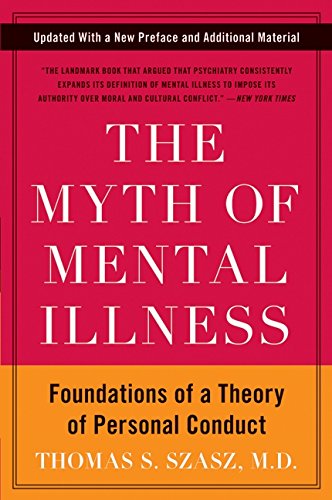
It is customary to define psychiatry as a medical specialty concerned with the study, diagnosis, and treatment of mental illnesses. This is a worthless and misleading definition. Mental illness is a myth. Psychiatrists are not concerned with mental illnesses and their treatments. In actual practice they deal with personal, social, and ethical problems in living.

I have argued that, today, the notion of a person “having a mental illness” is scientifically crippling. It provides professional assent to a popular rationalization – namely, that problems in living experienced and expressed in terms of so-called psychiatric symptoms are basically similar to bodily diseases. Moreover, the concept of mental illness also undermines the principle of personal responsibility, the ground on which all free political institutions rest. For the individual, the notion of mental illness precludes an inquiring attitude toward his conflicts which his “symptoms” at once conceal and reveal. For a society, it precludes regarding individuals as responsible persons and invites, instead, treating them as irresponsible patients.

Although powerful institutional forces lend their massive weight to the tradition of keeping psychiatric problems within the conceptual framework of medicine, the moral and scientific challenge is clear: we must recast and redefine the problem of “mental illness” so that it may be encompassed in a morally explicit science of man. This, of course, would require a radical revision of our ideas about “psychopathology” and “psychotherapy” – the former having to be conceived in terms of sign-using, rule-following, and game-playing, the latter in terms of human relationships and social arrangements promoting certain types of learning and values.

Human behavior is fundamentally moral behavior. Attempts to describe and alter such behavior without, at the same time, coming to grips with the issue of ethical values are therefore doomed to failure. Hence, so long as the moral dimensions of psychiatric theories and therapies remain hidden and inexplicit, their scientific worth will be seriously limited. In the theory of personal conduct which I have proposed – and in the theory of psychotherapy implicit in it – I have tried to correct this defect by articulating the moral dimensions of human behaviors occurring in psychiatric contexts.

The principle arguments advanced in this book and their implications may be summarized as follows.

  1. Strictly speaking, disease or illness can affect only the body; hence, there can be no mental illness.

  2. “Mental illness” is a metaphor. Minds can be “sick” only in the sense that jokes are “sick” or economies are “sick.”

  3. Psychiatric diagnoses are stigmatizing labels, phrased to resemble medical diagnoses and applied to persons whose behavior annoys or offends others.

  4. Those who suffer from and complain of their own behavior are usually classified as “neurotic”; those whose behavior makes others suffer, and about whom others complain, are usually classified as “psychotic.”

  5. Mental illness is not something a person has, but is something he does or is.

  6. If there is no mental illness there can be no hospitalization, treatment, or cure for it. Of course, people may change their behavior or personality, with or without psychiatric intervention. Such intervention is nowadays called “treatment,” and the change, if it proceeds in a direction approved by society, “recovery” or “cure.”

  7. The introduction of psychiatric considerations into the administration of the criminal law – for example, the insanity plea and verdict, diagnoses of mental incompetence to stand trial, and so forth – corrupt the law and victimize the subject on whose behalf they are ostensibly employed.

  8. Personal conduct is always rule-following, strategic, and meaningful. Patterns of interpersonal and social relations may be regarded and analyzed as if they were games, the behavior of the players being governed by explicit or tacit game rules.

  9. In most types of voluntary psychotherapy, the therapist tries to elucidate the inexplicit game rules by which the client conducts himself; and to help the client scrutinize the goals and values of the life games he plays.

  10. There is no medical, moral, or legal justification for involuntary psychiatric interventions. They are crimes against humanity.


Moral Bias and Politics in Psychiatry

Unrecognized Facts About Modern Psychiatric Practice (PDF)

  • There are no known biological causes for any of the psychiatric disorders apart from dementia and some rare chromosomal disorders. Consequently, there are no biological tests such as blood tests or brain scans that can be used to provide independent objective data in support of any psychiatric diagnosis.
  • Psychiatric drugs have often been prescribed to patients on the basis that they cure a ‘chemical imbalance’. However, no chemical imbalances have been proven to exist in relation to any mental health disorder. There is also no method available to test for the presence or absence of these chemical imbalances.
  • Psychiatric diagnostic manuals such as the DSM and ICD (chapter 5) are not works of objective science, but rather works of culture since they have largely been developed through clinical consensus and voting. Their validity and clinical utility is therefore highly questionable, yet their influence has contributed to an expansive medicalization of human experience.
  • Just like other substances that affect brain chemistry (such as illicit drugs), psychiatric drugs produce altered mental states. They do not ‘cure‘ diseases, and in many cases, their mechanism of action is not properly understood.
  • Studies have found that antidepressants have no clinically significant benefit over placebo pills (inert pills) in the treatment of mild to moderate depression, while they provide some benefit for severe depression, at least in the short term. Recent research also suggests that antidepressants may be associated with a risk of increased mortality, at least among the elderly.
  • There has been little research on the long-term outcomes of people taking psychiatric drugs. The available studies suggest that all the major classes of psychiatric drugs add little additional long-term benefit, and for some patients they may lead to significantly worse long-term outcomes.
  • Psychiatric drugs can have long-lasting effects on the brain and central nervous system, particularly when taken long-term, which can lead to physical, emotional and cognitive difficulties.
  • Psychiatric drugs can have effects that include mental disturbance, suicide, violence, and withdrawal syndromes. These can be misdiagnosed as new psychiatric presentations, for which additional drugs may be prescribed, sometimes leading to long-term use of multiple different psychiatric drugs in the same person
  • Withdrawal from psychiatric drugs can be disabling and can cause a range of severe physical and psychological effects which often last for months and sometimes years; in some cases, withdrawal charities report, it may lead to suicide.
  • Use of psychiatric drugs in children and adolescents has been rapidly expanding across the developed world. The potential long-term damage these drugs can have on developing brains has not been properly assessed. Furthermore, there is now evidence that increased use of medication within this age group may lead to worse long-term outcomes.
  • The UK regulator of psychiatric drugs (the MHRA) is entirely funded by the pharmaceutical industry, and employs ex-industry professionals in key leadership positions. Such conflicts of interest could lead to lenient regulation that places commercial interests above patient protection.
  • Ties between doctors and the pharmaceutical industry are particularly widespread in psychiatry. In the UK psychiatrists do not have to report to any agency or authority how much industry income they receive each year.
  • The majority of psychiatric drug trials are conducted and commissioned by the pharmaceutical industry or those who have extensive ties with them. This industry has a long history of burying negative results, and of manipulating research to highlight positive outcomes.

Macbeth: How does your patient, doctor?

Doctor: Not so sick, my lord, as she is troubled with thick-coming fancies that keep her from rest.

Macbeth: Cure her of that! Canst thou not minister to a mind diseased, pluck from the memory a rooted sorrow, raze out the written troubles of the brain, and with some sweet oblivious antidote cleanse the stuffed bosom of that perilous stuff which weighs upon her heart?

Doctor: Therein the patient must minister to himself.

– William Shakespeare

MindFreedom International

Science as Mythology

For is it not possible that science as we know it today, or a “search for the truth” in the style of traditional philosophy, will create a monster? Is it not possible that an objective approach that frowns upon personal connections between the entities examined will harm people, turn them into miserable, unfriendly, self-righteous mechanisms without charm or humour? “Is it not possible,” asks Kierkegaard, “that my activity as an objective [or critico-rational] observer of nature will weaken my strength as a human being?” I suspect the answer to many of these questions is affirmative and I believe that a reform of the sciences that makes them more anarchic and more subjective (in Kierkegaard’s sense) is urgently needed.

– Paul Feyerabend

evolution touches god

Epistemological anarchism is an epistemological theory advanced by Austrian philosopher of science Paul Feyerabend which holds that there are no useful and exception-free methodological rules governing the progress of science or the growth of knowledge. It holds that the idea that science can or should operate according to universal and fixed rules is unrealistic, pernicious, and detrimental to science itself.

The use of the term anarchism in the name reflected the methodological pluralism prescription of the theory, as the purported scientific method does not have a monopoly on truth or useful results. Feyerabend once famously said that because there is no fixed scientific method, it is best to have an “anything goes” attitude toward methodologies. Feyerabend felt that science started as a liberating movement, but over time it had become increasingly dogmatic and rigid, and therefore had become increasingly an ideology, and, despite its successes, science had started to attain some oppressive features, and it was not possible to come up with an unambiguous way to distinguish science from religion, magic, or mythology. He felt the exclusive dominance of science as a means of directing society was authoritarian and ungrounded. Promulgation of the theory earned Feyerabend the title of “the worst enemy of science” from his detractors.

The theory draws on the observation that there is no identifiable fixed scientific method that is consistent with the practices of the paradigm of scientific progress – the scientific revolution. It is a radical critique of rationalist and empiricist historiography which tend to represent the heroes of the scientific revolution as scrupulous researchers reliant on empirical research, whereas Feyerabend countered that Galileo for example, relied on rhetoric, propaganda and epistemological tricks to support his doctrine of heliocentrism, and that aesthetic criteria, personal whims and social factors were far more prevalent than the dominant historiographies allowed.

Scientific laws such as those posited by Aristotelian or Newtonian physics that assumed the stance of objective models of the universe have been found to come short in describing the entirety of the universe. The movement of universal models from Aristotelian to Newtonian physics to Einstein’s relativity theory, where each preceding theory has been refuted as entirely universal model of reality, illustrates for the epistemological anarchist that scientific theories do not correspond to truth, as they are in part cultural manifestations, and ergo not objective. Feyerabend drew a comparison between one scientific paradigm triumphing over or superseding another, in the same manner a given myth is adapted and appropriated by a new, triumphant successor myth in comparative mythology. Feyerabend contended, with Imre Lakatos, that the demarcation problem of distinguishing on objective grounds science from pseudoscience was irresolvable and thus fatal to the notion of science run according to fixed, universal rules.

Feyerabend also notes that science’s success is not solely due to its own methods, but also to its having taken in knowledge from unscientific sources. In turn the notion that there is no knowledge outside science is a ‘convenient fairy-tale’ held only by dogmatists who distort history for the convenience of scientific institutions. For instance, Copernicus was heavily influenced by Pythagoras, whose view of the world had previously been rejected as mystical and irrational. Hermetic writings played an important role in the works of Copernicus as well as Newton. There exists fairly accurate astronomical knowledge that reaches back even to the Stone Age, measured in stone observatories in England and the South Pacific. Pre-Modern inventions such as crop rotation, hybrid plants, chemical inventions and architectural achievements not yet understood like that of the pyramids are all examples which threaten the notion that science is the only means of attaining knowledge.

Feyerabend also criticized science for not having evidence for its own philosophical precepts, particularly the notions of Uniformity of Law and of Uniformity of Process across time and space. “We have to realize that a unified theory of the physical world simply does not exist,” said Feyerabend; “we have theories that work in restricted regions, we have purely formal attempts to condense them into a single formula, we have lots of unfounded claims (such as the claim that all of chemistry can be reduced to physics), phenomena that do not fit into the accepted framework are suppressed; in physics, which many scientists regard as the one really basic science, we have now at least three different points of view… without a promise of conceptual (and not only formal) unification”.

Furthermore, Feyerabend held that deciding between competing scientific accounts was complicated by the incommensurability of scientific theories. Incommensurability means that scientific theories cannot be reconciled or synthesized because the interpretation and practice of science is always informed by theoretical assumptions, which leads to proponents of competing theories using different terms, engaged in different language-games and thus talking past each other. This for Feyerabend was another reason why the idea of science as proceeding according to universal, fixed laws was both historically inaccurate and prescriptively useless.

Physical objects are conceptually imported into the situation as convenient intermediaries not by definition in terms of experience, but simply as irreducible posits comparable, epistemologically, to the gods of Homer … For my part I do, qua lay physicist, believe in physical objects and not in Homer’s gods; and I consider it a scientific error to believe otherwise. But in point of epistemological footing, the physical objects and the gods differ only in degree and not in kind. Both sorts of entities enter our conceptions only as cultural posits.

– W. V. Quine

It appears that, in single instances of the operation of bodies, we never can, by our utmost scrutiny, discover any thing but one event following another, without being able to comprehend any force or power by which the cause operates, or any connexion between it and its supposed effect. The same difficulty occurs in contemplating the operations of mind on body- where we observe the motion of the latter to follow upon the volition of the former, but are not able to observe or conceive the tie which binds together the motion and volition, or the energy by which the mind produces this effect. The authority of the will over its own faculties and ideas is not a whit more comprehensible: So that, upon the whole, there appears not, throughout all nature, any one instance of connexion which is conceivable by us. All events seem entirely loose and separate. One event follows another; but we never can observe any tie between them. They seemed conjoined, but never connected. And as we can have no idea of any thing which never appeared to our outward sense or inward sentiment, the necessary conclusion seems to be that we have no idea of connexion or force at all, and that these words are absolutely without meaning, when employed either in philosophical reasonings or common life.

– David Hume

We see that science also rests on a faith; there simply is no science “without presuppositions.” The question whether truth is needed must not only have been affirmed in advance, but affirmed to such a degree that the principle, the faith, the conviction finds expression: “Nothing is needed more than truth, and in relation to it everything else has only second-rate value.”

Thus the question “Why science?” leads back to the moral problem: Why have morality at all when life, nature, and history are “not moral”? No doubt, those who are truthful in that audacious and ultimate sense that is presupposed by the faith in science thus affirm another world than the world of life, nature, and history; and insofar as they affirm this “other world”—look, must they not by the same token negate its counterpart, this world, our world?—But you will have gathered what I am driving at, namely, that it is still a metaphysical faith upon which our faith in science rests—that even we seekers after knowledge today, we godless anti-metaphysicians still take our fire, too, from the flame lit by a faith that is thousands of years old, that Christian faith which was also the faith of Plato, that God is the truth, that truth is divine.

A “scientific” interpretation of the world, as you understand it, might therefore still be one of the most stupid of all possible interpretations of the world, meaning that it be one of the poorest in meaning. This thought is intended for the ears and consciences of our mechanists who nowadays like to pass as philosophers and insist that mechanics is the doctrine of the first and last laws on which all existence must be based as on a ground floor. But an essentially mechanical world would be an essentially meaningless world. Assuming that one estimated the value of a piece of music according to how much of it could be counted, calculated, and expressed in formulas: how absurd would such a “scientific” estimation of music be! What would one have comprehended, understood, grasped of it? Nothing, really nothing of what is “music” in it!

– Friedrich Nietzsche

The man who is striving to solve a problem defined by existing knowledge and technique is not, however, just looking around. He knows what he wants to achieve, and he designs his instruments and directs his thoughts accordingly. Unanticipated novelty, the new discovery, can emerge only to the extent that his anticipations about nature and his instruments prove wrong… There is no other effective way in which discoveries might be generated.

If these out-of date beliefs are to be called myths, then myths can be produced by the same sorts of methods and held for the same sorts of reasons that now lead to scientific knowledge.

– Thomas Kuhn

Long before quantum mechanics, the German philosopher, Husserl, said that “All perception is gamble.”

Every type of bigotry, every type of racism, sexism, prejudice, every dogmatic ideology that allows people to kill other people with a clear conscience, every stupid cult, every superstition, written religion, every kind of ignorance in the world all results from not realizing that our perceptions are gambles.

We believe what we see and then we believe our interpretation of it, we don’t even know we are making an interpretation most of the time. We think that this is reality. In philosophy that is called naïve realism. “What I perceive is reality.” And philosophers have refuted naïve realism every century for the last twenty-five hundred years starting with Buddha & Plato, and yet most people still act on the basis of naive realism.

Now the argument is maybe my perceptions are inaccurate but somewhere there is accuracy. The scientists have it with their instruments. That’s how we can find out what’s really real. But relativity and quantum mechanics have demonstrated clearly that what you find out with instruments is true relative only to the instrument you are using and where that instrument is located in space-time.

So there is no vantage point from which real reality can be seen, we are all looking from the point of our own reality tunnels. And when we begin to realize that we are all looking from the point of view of our own reality tunnels, we find it is much easier to understand where other people are coming from. Or, the ones who don’t have the same reality tunnels as us do not seem ignorant or deliberately perverse or lying or hypnotized by some mad ideology. They just have a different reality tunnel, and every reality tunnel might tell us something interesting about our world, if we are willing to listen.

– Robert Anton Wilson

Science manipulates things and gives up living in them. It makes its own limited models of things; operating upon these indices or variables to effect whatever transformations are permitted by their definition, it comes face to face with the real world only at rare intervals. Science is and always will be that admirably active, ingenious, and bold way of thinking whose fundamental bias is to treat everything as though it were an object-in-general – as though it meant nothing to us and yet was predestined for our own use.

– Maurice Merleau-Ponty

See Also

Darwin’s Dangerous Idea

The Limits of Science

Doing Away with Scientism